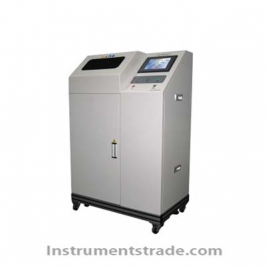
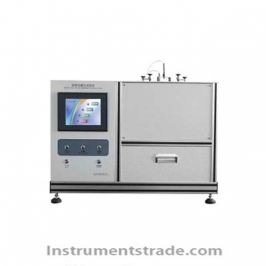
HWP05-20S Oxidizing Solids Tester

Product ID:HZWHyrgt001

Price: Please inquire PDF Format
Supply Ability:50 SETS/MON
Port:SHENZHEN
  • Product Introduction
  • Other information
  • Model NumberHWP05-20S
    Brand NameHANGZHOUYANGYI
    Payment TermsTT,PAYPAL,Alibaba.com Pay
    HWP05-20S Oxidizing Solids Tester
     
    Product Introduction
    The HWP05-20S Oxidizing Solids Tester is designed to evaluate the potential of solid substances to increase the burning rate or combustion intensity of a combustible material when thoroughly mixed with it. It determines combustion performance using either the combustion-time test method or the gravimetric method, supporting the assessment of oxidizing solid hazards and applicable dangerous-goods packaging classifications.
    The instrument supports both UN Manual of Tests and Criteria Test O.1 and Test O.3, as well as GB/T 21617-2008, Test Methods for Oxidizing Solids in Dangerous Goods. With automated optical detection, mass-loss measurement, environmental monitoring, and remote ignition, the HWP05-20S helps improve test consistency, data traceability, and operator safety.


    Performance Features
    1.  Embedded control system: Uses an embedded processor and Windows CE operating system for automated test management.
    2. 8-inch touchscreen: Displays real-time test status, operating time, and animated test progress.
    3. Dual-standard compatibility: Supports UN Test O.1 and Test O.3 procedures.
    4. Automatic combustion detection: An infrared sensor array detects combustion phenomena.
    5.  Automatic gravimetric measurement: A precision balance records mass loss during combustion.
    6. Metal-wire preparation mold: Includes a dedicated mold for preparing standard metal wires.
    7.  Wire-break detection and alarms: Automatically detects metal-wire fusing and provides audible and visual alarms.
    8. Environmental monitoring: Measures ambient temperature and relative humidity during testing.
    9. Remote ignition: Allows ignition to be controlled remotely to help reduce operator exposure during testing.
    10. Automated operation and reporting: Supports parameter configuration, automatic test execution, data storage, and report review.


    Working Principle
    The HWP05-20S evaluates the oxidizing behavior of a solid sample mixed thoroughly with a specified combustible reference material. The mixture is tested under the applicable standard procedure using a standardized inert metal-wire heating arrangement.
    • Combustion-time method (Test O.1): An infrared sensor array detects combustion-related events, allowing the instrument to monitor and record the test duration for evaluating combustion behavior.
    • Gravimetric method (Test O.3): An electronic balance measures mass changes during the test, enabling the recording of mass loss associated with combustion.
    The instrument displays test progress and timing, monitors ambient conditions, and stores test data for subsequent review and reporting. Test preparation, sample proportions, operating conditions, and classification criteria should follow the applicable standard.


    Technical Parameters
    Parameter Specification
    Model HWP05-20S
    Applicable standards UN Manual of Tests and Criteria, Test O.1 and Test O.3; GB/T 21617-2008
    Working environment 5–30°C; less than 85% RH
    Heating method Standard-shaped inert metal wire
    Heating-wire power 150 W ± 7 W
    Detection methods Infrared sensor array or balance-based weighing
    Balance weighing accuracy ±0.1 g
    Ambient temperature measurement range −10°C to +60°C
    Ambient temperature measurement accuracy ±0.5°C
    Ambient humidity measurement range 5–95% RH
    Ambient humidity measurement accuracy ±5.0% RH
    Timer display resolution 1 s
    Timing accuracy ±7 ms/minute
    Test plate material Corundum
    Test plate dimensions 150 × 150 × 6 mm
    Sample preparation mold material PTFE (polytetrafluoroethylene)
    Sample preparation mold geometry Conical; 70 mm internal diameter; 60° angle
    Display and control 8-inch LCD touchscreen
    Operating system Windows CE
    Alarm system Audible and visual alarms


    Application Scenarios
    •  Dangerous goods classification: Assessing the oxidizing properties of solid substances for transport-related classification.
    • Chemical manufacturing and quality control: Evaluating the combustion-enhancing potential of solid chemical materials.
    •  Hazardous materials laboratories: Conducting standardized oxidizing-solids tests under controlled conditions.
    • Packaging and transport compliance: Supporting evaluation of applicable dangerous-goods packaging classifications.
    • Research and testing institutions: Studying combustion behavior using standardized time-based and gravimetric procedures.
    • Third-party inspection laboratories: Performing repeatable tests and retaining results for technical review and reporting.


    HWP05-20S vs. Conventional Oxidizing Solids Testing
    Comparison Item HWP05-20S Oxidizing Solids Tester Conventional Manual Testing
    Test methods Supports O.1 and O.3 Depends on available equipment and setup
    Combustion detection Automated infrared sensor array May require manual observation
    Mass-loss recording Automated balance measurement May require separate weighing and recording
    Test monitoring Real-time display of status and timing May involve manual timekeeping
    Environmental monitoring Integrated temperature and humidity measurement May require separate instruments
    Operator control Supports remote ignition Depends on the test arrangement
    Data management Electronic storage and report review May rely on manual records
    Alarm functions Automatic wire-fusing detection with audible and visual alarms Depends on the equipment configuration
    Note: This comparison describes general workflow differences. Actual performance depends on the test setup and the procedures required by the applicable standard.


    Frequently Asked Questions
    1. What is the HWP05-20S Oxidizing Solids Tester used for?
    It evaluates whether a solid substance can increase the burning rate or combustion intensity of a combustible reference material when the two are thoroughly mixed.
    2. Which standards does the HWP05-20S support?
    It supports UN Manual of Tests and Criteria Test O.1 and Test O.3, along with GB/T 21617-2008, Test Methods for Oxidizing Solids in Dangerous Goods.
    3. What is the difference between Test O.1 and Test O.3?
    Test O.1 evaluates combustion behavior using a combustion-time method, while Test O.3 uses a gravimetric approach to assess mass changes during combustion. The exact procedures and evaluation criteria must follow the relevant standard.
    4. How does the instrument detect combustion?
    It uses an infrared sensor array to detect combustion-related events and record test timing. For gravimetric testing, the balance measures mass loss during the test.
    5. Can the instrument record environmental conditions?
    Yes. It measures ambient temperature from −10°C to +60°C with an accuracy of ±0.5°C, and relative humidity from 5% to 95% RH with an accuracy of ±5.0% RH.
    6. Does the HWP05-20S support remote ignition?
    Yes. Remote ignition is provided to help reduce operator exposure during testing. Users must still follow the required laboratory safety procedures and the applicable test standard.
    7. What is the balance weighing accuracy?
    The specified weighing accuracy is ±0.1 g.
    8. Can test data be saved and reviewed?
    Yes. The instrument supports parameter settings, test-data storage, and report review, helping laboratories maintain electronic test records.


  • Frequently Asked Questions
    1. What is the HWP05-20S Oxidizing Solids Tester used for?
    It evaluates whether a solid substance can increase the burning rate or combustion intensity of a combustible reference material when the two are thoroughly mixed.
    2. Which standards does the HWP05-20S support?
    It supports UN Manual of Tests and Criteria Test O.1 and Test O.3, along with GB/T 21617-2008, Test Methods for Oxidizing Solids in Dangerous Goods.
    3. What is the difference between Test O.1 and Test O.3?
    Test O.1 evaluates combustion behavior using a combustion-time method, while Test O.3 uses a gravimetric approach to assess mass changes during combustion. The exact procedures and evaluation criteria must follow the relevant standard.
    4. How does the instrument detect combustion?
    It uses an infrared sensor array to detect combustion-related events and record test timing. For gravimetric testing, the balance measures mass loss during the test.
    5. Can the instrument record environmental conditions?
    Yes. It measures ambient temperature from −10°C to +60°C with an accuracy of ±0.5°C, and relative humidity from 5% to 95% RH with an accuracy of ±5.0% RH.
    6. Does the HWP05-20S support remote ignition?
    Yes. Remote ignition is provided to help reduce operator exposure during testing. Users must still follow the required laboratory safety procedures and the applicable test standard.
    7. What is the balance weighing accuracy?
    The specified weighing accuracy is ±0.1 g.
    8. Can test data be saved and reviewed?
    Yes. The instrument supports parameter settings, test-data storage, and report review, helping laboratories maintain electronic test records.


Products
Analytical instruments
Physical property test
Environmental monitoring and analysis
Lab general equipment
About us
About this website
Our service
Product purchase
Contact Us

Newsletter

Make Sure you dont miss interesting happenings by joining our newsletter program.

Contact Us
+86-18620722006
instruments@instrumentstrade.com