Position: Home > > Sensors and Transmitters > Other sensor > FWS-5 Oil Property Sensor

FWS-5 Oil Property Sensor

Product ID:CHGOTHER001

Price: Please inquire PDF Format
Supply Ability:100 SETS/MON
Port:SHENZHEN
  • Product Introduction
  • Other information
  • Model NumberFWS-5
    Brand NameSZXIANBO
    Payment TermsTT,PAYPAL,Alibaba.com Pay
    FWS-5 Oil Property Sensor
    Product Introduction
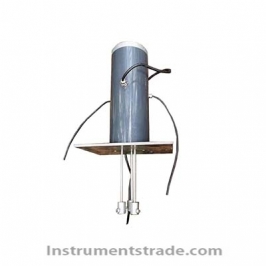
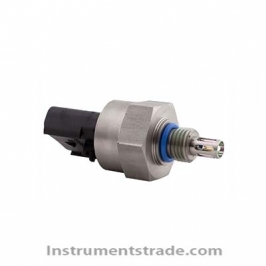
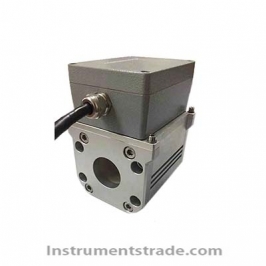
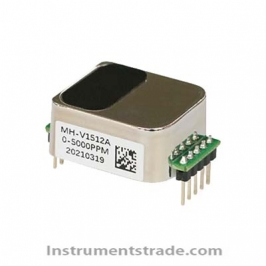
    The FWS-5 Oil Property Sensor is an innovative multi-parameter fluid monitoring sensor designed for continuous, real-time analysis of liquid properties. Utilizing patented tuning fork technology, it simultaneously measures viscosity, density, dielectric constant, and temperature, providing a comprehensive understanding of fluid condition and performance.
    Unlike conventional single-parameter sensors, the FWS-5 evaluates the dynamic relationship between multiple physical properties, enabling more accurate assessment of lubricant quality, fluid degradation, contamination, and process stability. Its compact design, robust construction, and easy integration with host controllers make it suitable for demanding industrial and mobile applications.


    Key Features
     Simultaneously measures viscosity, density, dielectric constant, and temperature
     Patented tuning fork sensing technology for high stability and repeatability
     Real-time online monitoring without interrupting system operation
     Wide operating temperature range from -40°C to +150°C
     Suitable for high-pressure pipelines up to 25 bar
     Fast response for continuous process monitoring
     Compact design for easy integration with PLCs and industrial controllers
     Excellent resistance to vibration and harsh industrial environments
     Reduces maintenance costs through predictive fluid condition monitoring
     Supports preventive maintenance and equipment reliability programs


    Working Principle
    The FWS-5 employs a patented tuning fork resonator immersed in the target fluid. Changes in the fluid's viscosity, density, and dielectric constant influence the resonant frequency and damping characteristics of the tuning fork. Advanced signal processing algorithms convert these variations into accurate physical property measurements while an integrated temperature sensor provides automatic compensation.
    By continuously monitoring multiple fluid parameters simultaneously, the sensor enables early detection of oil degradation, contamination, oxidation, dilution, and changes in fluid composition, allowing operators to optimize maintenance schedules and improve equipment reliability.


    Technical Specifications
    Parameter Specification
    Model FWS-5
    Supply Voltage (Peak) 24 V
    Peak Input Current < 200 mA
    Ambient Operating Temperature (Electronics) -40°C to +125°C
    Fluid Operating Temperature -40°C to +150°C
    Storage Temperature -50°C to +150°C
    Maximum Working Pressure 25 bar
    Maximum Vibration 20 Grms
    Viscosity Measurement Range 0.5–50 cP
    Viscosity Accuracy (0.5–10 cP) ±2%
    Viscosity Accuracy (10–50 cP) ±0.2 cP
    Density Measurement Range 0.65–1.50 g/cm³
    Density Accuracy ±2%
    Dielectric Constant Range 1–6
    Measurement Parameters Viscosity, Density, Dielectric Constant, Temperature
    Sensing Technology Patented Tuning Fork Technology
     

    Typical Applications
    The FWS-5 is designed for continuous monitoring of fluid condition across numerous industrial and transportation sectors, including:
     Engine oil monitoring systems
     Fuel quality monitoring
     Hydraulic oil systems
     Automatic transmission fluid monitoring
     Gear oil condition monitoring
     Brake fluid monitoring
     Refrigeration and cooling systems
     HVAC equipment
     Compressors
     Industrial machinery
     Turbine lubrication systems
     Chemical processing pipelines
     High-pressure fluid delivery systems
     Process control loops
     Solvent monitoring
     Mobile equipment and heavy-duty vehicles


    Comparison with Conventional Fluid Sensors
    Feature FWS-5 Oil Property Sensor Conventional Fluid Sensor
    Measured Parameters Viscosity + Density + Dielectric Constant + Temperature Usually one parameter only
    Monitoring Method Continuous online monitoring Periodic inspection
    Fluid Condition Analysis Comprehensive multi-parameter analysis Limited information
    Predictive Maintenance Supported Limited
    Response Speed Real-time Slower
    System Integration Easy PLC/controller integration Depends on sensor type
    Industrial Reliability High vibration and high-temperature resistant Generally lower
    Maintenance Cost Lower through condition-based maintenance Higher due to scheduled maintenance
     

    Frequently Asked Questions (FAQ)
    1. What parameters can the FWS-5 measure simultaneously?
    The sensor measures viscosity, density, dielectric constant, and temperature in real time using a single sensing element.
    2. What fluids are compatible with the FWS-5?
    It is suitable for engine oil, fuel, hydraulic oil, transmission oil, brake fluid, gear oil, coolant, refrigerants, solvents, and many industrial process fluids.
    3. How does tuning fork technology improve measurement accuracy?
    The patented tuning fork detects subtle changes in fluid mechanical and electrical properties, enabling highly stable and repeatable multi-parameter measurements.
    4. Can the sensor operate in high-temperature environments?
    Yes. The sensor supports fluid temperatures from -40°C to +150°C, making it suitable for demanding industrial applications.
    5. Is the sensor suitable for continuous online monitoring?
    Yes. The FWS-5 is specifically designed for continuous, real-time condition monitoring without interrupting equipment operation.
    6. Can it be integrated into existing control systems?
    Yes. The compact design allows straightforward integration with PLCs, embedded controllers, industrial automation systems, and monitoring platforms.
    7. How does the sensor support predictive maintenance?
    By continuously tracking changes in viscosity, density, dielectric constant, and temperature, the sensor can identify lubricant degradation, contamination, or abnormal operating conditions before equipment failure occurs.
    8. Which industries benefit most from the FWS-5?
    Transportation, heavy machinery, chemical processing, HVAC, refrigeration, power generation, industrial manufacturing, compressors, turbines, and hydraulic equipment all benefit from continuous fluid condition monitoring.


    Why Choose the FWS-5 Oil Property Sensor?
    The FWS-5 Oil Property Sensor combines patented tuning fork technology with simultaneous multi-parameter measurement to deliver accurate, real-time insight into fluid condition. By monitoring viscosity, density, dielectric constant, and temperature in one compact sensor, it enables predictive maintenance, extends equipment life, reduces maintenance costs, and improves operational reliability across transportation, industrial processing, energy, and fluid management applications.


  • Frequently Asked Questions (FAQ)
    1. What parameters can the FWS-5 measure simultaneously?
    The sensor measures viscosity, density, dielectric constant, and temperature in real time using a single sensing element.
    2. What fluids are compatible with the FWS-5?
    It is suitable for engine oil, fuel, hydraulic oil, transmission oil, brake fluid, gear oil, coolant, refrigerants, solvents, and many industrial process fluids.
    3. How does tuning fork technology improve measurement accuracy?
    The patented tuning fork detects subtle changes in fluid mechanical and electrical properties, enabling highly stable and repeatable multi-parameter measurements.
    4. Can the sensor operate in high-temperature environments?
    Yes. The sensor supports fluid temperatures from -40°C to +150°C, making it suitable for demanding industrial applications.
    5. Is the sensor suitable for continuous online monitoring?
    Yes. The FWS-5 is specifically designed for continuous, real-time condition monitoring without interrupting equipment operation.
    6. Can it be integrated into existing control systems?
    Yes. The compact design allows straightforward integration with PLCs, embedded controllers, industrial automation systems, and monitoring platforms.
    7. How does the sensor support predictive maintenance?
    By continuously tracking changes in viscosity, density, dielectric constant, and temperature, the sensor can identify lubricant degradation, contamination, or abnormal operating conditions before equipment failure occurs.
    8. Which industries benefit most from the FWS-5?
    Transportation, heavy machinery, chemical processing, HVAC, refrigeration, power generation, industrial manufacturing, compressors, turbines, and hydraulic equipment all benefit from continuous fluid condition monitoring.

     
Products
Analytical instruments
Physical property test
Environmental monitoring and analysis
Lab general equipment
About us
About this website
Our service
Product purchase
Contact Us

Newsletter

Make Sure you dont miss interesting happenings by joining our newsletter program.

Contact Us
+86-18620722006
instruments@instrumentstrade.com