Position: Home > > Industrial on-line and process control > Flow / leak > Flow rate monitor > TY-60KS Gas Mass Flow Meter

TY-60KS Gas Mass Flow Meter

Product ID:LLCL013

Price: Please inquire PDF Format
Supply Ability:50 SETS/MON
Port:SHENZHEN
  • Product Introduction
  • Other information
  • Model NumberTY-60KS
    Brand NameDLTIANYANG
    Payment TermsTT,PAYPAL,Alibaba.com Pay
    TY-60KS Gas Mass Flow Meter
     
    Product Introduction
    The TY-60KS Gas Mass Flow Meter is an industrial instrument designed for measuring the mass flow rate of gases in pipelines. According to the supplied product specifications, it supports a wide gas velocity range and measures mass flow without requiring external temperature and pressure compensation.
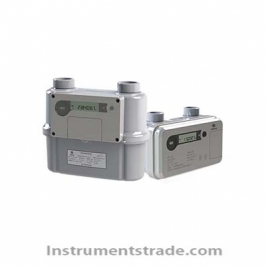
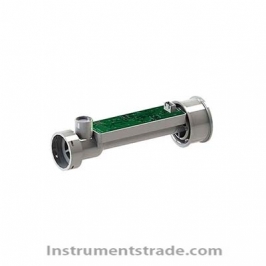
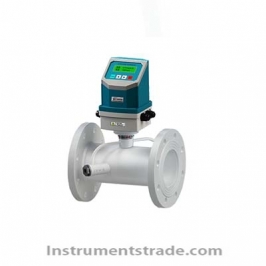
    Available in insertion and inline configurations, the TY-60KS accommodates different pipeline diameters and installation requirements. Its corrosion-resistant sensor option supports compatible corrosive gas applications, while the fast response time, repeatable measurements, and optional RS485 communication make it suitable for industrial process monitoring, energy management, and gas leak detection.
    The instrument can display gas mass flow, standard volumetric flow, cumulative flow, and medium temperature, providing useful data for process control and gas consumption monitoring.


    Performance Features
    1.Direct gas mass flow measurement: Measures gas mass flow without requiring separate temperature and pressure compensation.
    2. Wide velocity range: Covers gas velocities from 0.1 to 120 m/s according to the specified operating range.
    3. Flexible sensor configurations: Offers insertion and inline sensor designs for different pipeline sizes.
    4. Low-pressure-loss design: Designed to measure flow with minimal additional pressure loss.
    5. Corrosion-resistant options: Supports measurement of compatible corrosive gases with suitable sensor materials.
    6.Online installation and maintenance: The insertion configuration can support installation and maintenance under appropriate pipeline isolation or hot-tapping procedures.
    7. Fast response: Provides a specified response time of approximately 1 second.
    8.Multiple flow displays: Displays mass flow, standard volumetric flow, cumulative flow, and gas temperature.
    9.  Industrial communication: Provides a 4–20 mA output, with optional RS485 communication using the Modbus protocol.
    10.Environmental protection: The sensor is rated IP68, with different enclosure protection ratings available for the converter.
    11.Broad gas compatibility: Designed for single-component and multicomponent gases, excluding acetylene according to the supplied specifications.
    12. Industrial monitoring capability: Supports process measurement, gas consumption analysis, and leak detection applications.


    Working Principle
    The supplied description identifies the TY-60KS as a Coriolis mass flow meter but also describes measurement based on temperature-field changes and the energy required to heat a flowing gas. These are different measurement principles.
    In general, a Coriolis mass flow meter determines mass flow by measuring the phase shift or deformation produced when fluid passes through vibrating measuring tubes. A thermal mass flow meter, by contrast, measures heat transfer between a heated sensor and the flowing gas to determine mass flow.
    The TY-60KS technical data should therefore be confirmed with the manufacturer to establish the exact sensing principle. Its listed specifications indicate that the instrument measures gas mass flow, calculates or displays standard volumetric flow, and provides medium temperature information without requiring external temperature and pressure compensation.


    Technical Parameters
    Parameter Specification
    Model TY-60KS
    Product Type Gas Mass Flow Meter
    Measurement Principle Described as Coriolis-based; thermal measurement is also mentioned in the supplied description and requires manufacturer confirmation
    Gas Velocity Range 0.1–120 m/s
    Measurement Accuracy ±1% relative error; ±0.5% FS, as specified
    Repeatability Better than 0.25%
    Sensor Types Insertion and inline
    Insertion Sensor Pipeline Size DN50–DN9000, as specified
    Inline Sensor Pipeline Size DN15–DN9000, as specified
    Measured Media Single-component and multicomponent gases, excluding acetylene
    Medium Temperature −40°C to +350°C
    Maximum Working Pressure 6.0 MPa
    Power Supply AC 110–220 V or DC 24 V, 1 A
    Response Time 1 second
    Analog Output 4–20 mA
    Digital Communication Optional RS485, Modbus
    Display Parameters Mass flow (kg/h), standard volumetric flow (Nm³/h), cumulative flow, medium temperature (°C)
    Sensor Protection Rating IP68
    Integral Converter Protection IP67
    Remote Wall-Mounted Converter Protection IP65
    Remote Pipe-Mounted Converter Protection IP52
    Explosion Protection Ex d IIC T4
    Note: The specified pipeline upper limit of DN9000, measurement accuracy notation, sensing principle, and explosion-protection certification should be verified with the manufacturer before procurement. Confirm the applicable flow range and accuracy for the selected gas, pipeline, and installation configuration.


    Application Scenarios
    • Natural gas monitoring: Measures gas mass flow in compatible industrial natural gas systems.
    •  Compressed air systems: Supports compressed air consumption monitoring and energy management.
    •  Industrial gas distribution: Measures compatible gases in process pipelines and utility systems.
    • Chemical processing: Supports flow monitoring for compatible single-component and mixed gases.
    •  Corrosive gas measurement: Uses appropriately selected corrosion-resistant sensor materials for compatible gas compositions.
    •  Energy management: Provides mass flow and standard volumetric flow data for gas consumption analysis.
    • Gas leak detection: Helps identify abnormal changes in gas flow when integrated with a suitable monitoring system.
    • Environmental monitoring: Supports gas flow measurement in compatible industrial exhaust and process gas systems.
    • Large pipeline monitoring: The insertion configuration may be suitable for large-diameter pipelines within the manufacturer's verified size limits.


    TY-60KS vs. Conventional Gas Flow Meters
    Comparison Item TY-60KS Conventional Gas Flow Meter
    Measurement Output Gas mass flow and standard volumetric flow Depends on instrument type
    External Temperature Compensation Not required according to the supplied specifications May be required for some volumetric meters
    External Pressure Compensation Not required according to the supplied specifications May be required for some volumetric meters
    Velocity Range 0.1–120 m/s Depends on model
    Sensor Configuration Insertion and inline Depends on design
    Pipeline Compatibility Listed for a broad range of nominal diameters Depends on model and sensor
    Corrosion Resistance Optional corrosion-resistant sensor Depends on wetted materials
    Communication 4–20 mA; optional RS485 Modbus Depends on configuration
    Response Time Specified as 1 second Depends on model
    Typical Applications Industrial gas monitoring, consumption measurement, and leak detection Depends on measurement principle and application


    Frequently Asked Questions
    1. What is the TY-60KS Gas Mass Flow Meter used for?
    It measures gas mass flow in industrial pipelines and supports process monitoring, gas consumption measurement, and flow-based leak detection.
    2. What is the measurement velocity range?
    The specified gas velocity range is 0.1–120 m/s. The usable range depends on the selected sensor, gas properties, and pipeline conditions.
    3. Does the TY-60KS require temperature and pressure compensation?
    The supplied specifications state that external temperature and pressure compensation are not required. Confirm the instrument's measurement principle and configuration with the manufacturer.
    4. Which gases can the instrument measure?
    It is specified for single-component and multicomponent gases, including natural gas, air, hydrogen, oxygen, chlorine, ammonia, argon, biogas, coal gas, and flue gas, excluding acetylene. Actual suitability depends on sensor materials, gas composition, pressure, and safety requirements.
    5. What sensor configurations are available?
    The instrument is available in insertion and inline configurations. The listed pipeline sizes are DN50–DN9000 for insertion sensors and DN15–DN9000 for inline sensors; these unusually broad limits should be confirmed before selection.
    6. What is the maximum working pressure?
    The specified maximum working pressure is 6.0 MPa, subject to the pressure rating of the selected sensor and connection assembly.
    7. What output signals does the TY-60KS support?
    It provides a 4–20 mA output and optionally supports RS485 communication using Modbus. These interfaces allow integration with PLCs, data acquisition systems, and industrial monitoring platforms.
    8. Is the TY-60KS suitable for corrosive gases?
    A corrosion-resistant sensor option is specified. Compatibility must be confirmed for the exact gas composition, concentration, operating temperature, and pressure.
    9. Can the instrument be used in hazardous areas?
    The supplied specifications list Ex d IIC T4. Verify the applicable certification, installation requirements, gas group, and temperature class for the intended site before use.


  • Frequently Asked Questions
    1. What is the TY-60KS Gas Mass Flow Meter used for?
    It measures gas mass flow in industrial pipelines and supports process monitoring, gas consumption measurement, and flow-based leak detection.
    2. What is the measurement velocity range?
    The specified gas velocity range is 0.1–120 m/s. The usable range depends on the selected sensor, gas properties, and pipeline conditions.
    3. Does the TY-60KS require temperature and pressure compensation?
    The supplied specifications state that external temperature and pressure compensation are not required. Confirm the instrument's measurement principle and configuration with the manufacturer.
    4. Which gases can the instrument measure?
    It is specified for single-component and multicomponent gases, including natural gas, air, hydrogen, oxygen, chlorine, ammonia, argon, biogas, coal gas, and flue gas, excluding acetylene. Actual suitability depends on sensor materials, gas composition, pressure, and safety requirements.
    5. What sensor configurations are available?
    The instrument is available in insertion and inline configurations. The listed pipeline sizes are DN50–DN9000 for insertion sensors and DN15–DN9000 for inline sensors; these unusually broad limits should be confirmed before selection.
    6. What is the maximum working pressure?
    The specified maximum working pressure is 6.0 MPa, subject to the pressure rating of the selected sensor and connection assembly.
    7. What output signals does the TY-60KS support?
    It provides a 4–20 mA output and optionally supports RS485 communication using Modbus. These interfaces allow integration with PLCs, data acquisition systems, and industrial monitoring platforms.
    8. Is the TY-60KS suitable for corrosive gases?
    A corrosion-resistant sensor option is specified. Compatibility must be confirmed for the exact gas composition, concentration, operating temperature, and pressure.
    9. Can the instrument be used in hazardous areas?
    The supplied specifications list Ex d IIC T4. Verify the applicable certification, installation requirements, gas group, and temperature class for the intended site before use.


Products
Analytical instruments
Physical property test
Environmental monitoring and analysis
Lab general equipment
About us
About this website
Our service
Product purchase
Contact Us

Newsletter

Make Sure you dont miss interesting happenings by joining our newsletter program.

Contact Us
+86-18620722006
instruments@instrumentstrade.com