Position: Home > > Analytical instruments > Electrochemical Equipment > Electrochemical instrument parts > K1300 All-PTFE Photoelectrochemical Cell

K1300 All-PTFE Photoelectrochemical Cell

Product ID:FDbj097

Price: Please inquire PDF Format
Supply Ability:50 SETS/MON
Port:SHENZHEN
  • Product Introduction
  • Other information
  • Model NumberK1300
    Brand NameYIMA
    Payment TermsTT,PAYPAL,Alibaba.com Pay
    K1300 All-PTFE Photoelectrochemical Cell

    Product Introduction
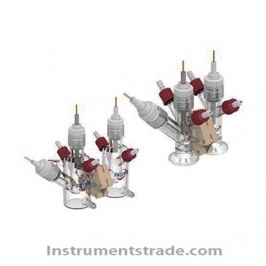
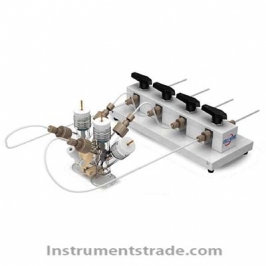
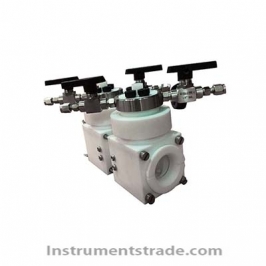
    The K1300 All-PTFE Photoelectrochemical Cell is a specialized photoelectrochemical reactor designed for laboratory electrochemical and PEC experiments. It is suitable for photocatalytic PEC research, electrochemical analysis, dye-sensitized cells, catalyst evaluation, and material performance testing.
    The reactor supports research on redox reactions of photoexcited molecules or ions, photoelectrochemical conversion, energy conversion between light, electrical and chemical energy, photoelectric conversion measurements, and photoelectrochemical synthesis and enrichment.
    The cell features a high-transmittance quartz window, replaceable ion membrane, quick-install working electrode structure, and adjustable working electrode exposure area. It is supplied with Ag/AgCl and platinum wire electrodes for convenient three-electrode experimental configurations.


    Performance Features
    • All-PTFE construction: Excellent chemical resistance for laboratory electrochemical experiments.
    •  High-transmittance quartz window: Approximately 95% light transmittance for photoelectrochemical testing.
    •  Quick quartz window replacement: The quartz plate can be rapidly removed and replaced.
    •  Replaceable ion membrane: Facilitates different experimental configurations and membrane replacement.
    • Quick working electrode installation: Simplifies electrode setup and experimental preparation.
    • Precise electrode area control: Allows accurate control of the exposed working electrode area.
    •  Supplied electrodes: Includes an Ag/AgCl reference electrode and platinum wire electrode.
    •  Multiple volume options: Available in 5 mL, 25 mL, and 40 mL configurations.


    Working Principle
    The K1300 photoelectrochemical cell provides a controlled reaction environment for experiments combining light irradiation and electrochemical processes. Light enters the electrolyte through the quartz window and interacts with the photoactive electrode, catalyst, or material under investigation.
    During testing, the working electrode, reference electrode, and counter electrode form the electrochemical measurement system. The applied or measured electrochemical potential controls the electrode reaction, while light irradiation can induce photoexcited charge carriers and corresponding oxidation-reduction reactions.
    The replaceable ion membrane can separate different reaction regions while allowing ionic conduction. By controlling the exposed working electrode area, electrolyte volume, illumination and electrochemical conditions, researchers can evaluate photoelectrochemical activity, catalytic performance and material properties.


    Technical Parameters
    Parameter Specification
    Model K1300
    Cell Material PTFE (Polytetrafluoroethylene)
    Light Window Material Quartz
    Quartz Light Transmittance Approx. 95%
    Cover Material PTFE
    Available Cell Volume 5 mL / 25 mL / 40 mL
    Quartz Window Quick-removable and replaceable
    Ion Membrane Replaceable
    Working Electrode Quick installation with controllable exposed area
    Reference Electrode Ag/AgCl
    Counter Electrode Platinum wire
    Application Type Photoelectrochemical and electrochemical experiments


    Application Scenarios
    The K1300 All-PTFE Photoelectrochemical Cell is suitable for:
    •  Photocatalytic photoelectrochemical (PEC) experiments
    •  Electrochemical analysis
    •  Dye-sensitized cell research
    •  Photocatalyst evaluation
    •  Electrocatalyst research
    •  Material performance evaluation
    •  Photoelectrochemical conversion measurements
    •  Photoelectrochemical synthesis
    •  Photoelectrochemical enrichment
    •  Research on photoexcited molecular and ionic redox reactions
    •  Light, electrical and chemical energy conversion studies


    K1300 vs. Conventional Electrochemical Cells
    Feature K1300 All-PTFE PEC Cell Conventional Electrochemical Cell
    Main Application PEC and electrochemical research General electrochemical testing
    Light Window Quartz, approx. 95% transmittance May not include a dedicated light window
    Cell Material PTFE Various materials
    Ion Membrane Replaceable Depends on cell design
    Working Electrode Area Precisely controllable Depends on electrode configuration
    Quartz Replacement Quick replacement Usually not designed for rapid replacement
    Electrode Installation Quick working electrode installation Standard electrode mounting
    Supplied Electrodes Ag/AgCl + Pt wire Depends on configuration
    Volume Options 5 / 25 / 40 mL Varies


    FAQ
    1.  What is the K1300 Photoelectrochemical Cell used for?
    It is designed for photocatalytic PEC, electrochemical analysis, dye-sensitized cell research, catalyst evaluation and material performance studies.
    2. What material is the K1300 cell made of?
    The reaction pool and cover are made of PTFE, providing a chemically resistant experimental environment.
    3. What is the transmittance of the quartz window?
    The quartz window has an approximate light transmittance of 95%.
    4. Can the quartz window be replaced?
    Yes. The quartz plate is designed for quick removal, installation and replacement.
    5. Can the ion membrane be replaced?
    Yes. The ion membrane can be quickly replaced according to experimental requirements.
    6. Which electrodes are supplied with the K1300?
    The standard configuration includes an Ag/AgCl electrode and a platinum wire electrode.
    7. Can the working electrode area be controlled?
    Yes. The K1300 provides a structure for accurately controlling the exposed working electrode area.
    8. What cell volumes are available?
    The K1300 is available in 5 mL, 25 mL and 40 mL versions.


  • FAQ
    1.  What is the K1300 Photoelectrochemical Cell used for?
    It is designed for photocatalytic PEC, electrochemical analysis, dye-sensitized cell research, catalyst evaluation and material performance studies.
    2. What material is the K1300 cell made of?
    The reaction pool and cover are made of PTFE, providing a chemically resistant experimental environment.
    3. What is the transmittance of the quartz window?
    The quartz window has an approximate light transmittance of 95%.
    4. Can the quartz window be replaced?
    Yes. The quartz plate is designed for quick removal, installation and replacement.
    5. Can the ion membrane be replaced?
    Yes. The ion membrane can be quickly replaced according to experimental requirements.
    6. Which electrodes are supplied with the K1300?
    The standard configuration includes an Ag/AgCl electrode and a platinum wire electrode.
    7. Can the working electrode area be controlled?
    Yes. The K1300 provides a structure for accurately controlling the exposed working electrode area.
    8. What cell volumes are available?
    The K1300 is available in 5 mL, 25 mL and 40 mL versions.
Products
Analytical instruments
Physical property test
Environmental monitoring and analysis
Lab general equipment
About us
About this website
Our service
Product purchase
Contact Us

Newsletter

Make Sure you dont miss interesting happenings by joining our newsletter program.

Contact Us
+86-18620722006
instruments@instrumentstrade.com