Position: Home > > Analytical instruments > Electrochemical Equipment > Electrochemical instrument parts > C007-10 2H Replaceable-Membrane Electrochemical Cell

C007-10 2H Replaceable-Membrane Electrochemical Cell

Product ID:FDbj055

Price: US$350.00 ~ US$450.00 PDF Format
Supply Ability:50 SETS/MON
Port:SHENZHEN
  • Product Introduction
  • Other information
  • Model NumberC007-10
    Brand NameGAOSHIRUILIAN
    Payment TermsTT,PAYPAL,Alibaba.com Pay
    C007-10-2 2H Absolute-Sealed Replaceable-Membrane Electrochemical Cell
    Product Introduction
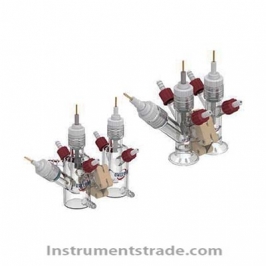
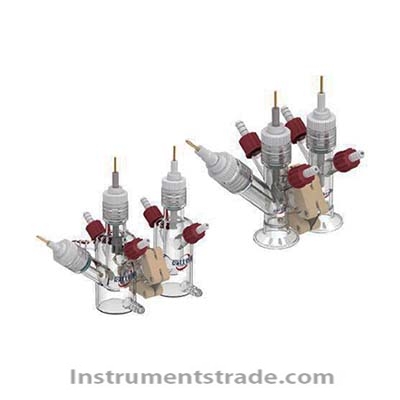
    The C007-10-2 2H Absolute-Sealed Replaceable-Membrane Electrochemical Cell is a compact 10 mL divided electrochemical cell designed for three-electrode electrochemical testing, electrolysis, electrocatalysis, membrane research, and controlled-atmosphere experiments.
    Constructed from high-borosilicate glass, the cell separates the cathode and anode chambers with a replaceable ion membrane. Its absolute-sealing electrode structure uses a PTFE cover, sealing screws, and O-rings to create a highly controlled experimental environment. The working and reference electrodes are positioned in the same chamber to help reduce iR drop.
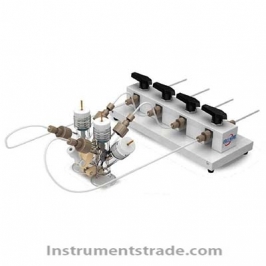
    The C007-10-2 2H also supports liquid-submerged gas introduction, optional sampling ports, and optional valves, providing greater flexibility for experiments requiring controlled gas, sampling, or sealed reaction conditions.

     
    Key Features
     Absolute-sealed electrochemical design for controlled experimental environments.
     10 mL compact capacity for low-volume electrochemical testing.
     High-borosilicate glass cell body with good chemical resistance.
     Replaceable ion membrane separates the cathode and anode chambers.
     Three-electrode configuration: working, counter, and reference electrodes can be matched to experimental requirements.
     Reduced iR drop: working and reference electrodes are installed in the same chamber.
     PTFE sealing system: sealing screws and O-rings provide reliable electrode sealing.
     Internal electrode connection: PTFE cover enables electrode insertion while maintaining an absolute-sealed configuration.
     Liquid-submerged gas sparging for controlled reaction atmospheres.
     Optional sampling port can be added to the cell body.
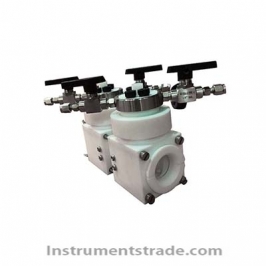
     Optional valve can be added for gas or reaction-system control.
     3 mm PTFE tubing is used for quick-connect sealing connections.
     Suspended-layer structure helps minimize hidden solution in the cell body.


    Technical Specifications
    Parameter Specification
    Model C007-10 2H
    Cell Type Replaceable-membrane divided electrochemical cell
    Cell Material High-borosilicate glass
    Cell Volume 10 mL
    Electrode Configuration Three-electrode system
    Working Electrode Extended-length electrode required
    Reference Electrode Extended-length electrode required
    Counter Electrode Extended-length electrode required
    Chamber Separation Ion membrane
    Membrane Replaceable
    Sealing Options Relatively sealed / fully sealed
    Electrode Sealing Sealing screw + O-ring
    Glass Sealing Internal threaded port + PTFE sealing component
    Electrode Port PTFE cover with internal electrode insertion structure
    Gas Inlet Liquid-submerged gas sparging
    Gas Connection Quick-connect
    PTFE Tube Diameter 3 mm
    Valves Not supported
    Gas Atmosphere Configurable according to experiment
     

    Applications
    Electrochemical Research
    Suitable for cyclic voltammetry, electrochemical reaction studies, electrode evaluation, and other laboratory electrochemical experiments.
    Electrolysis and Electrocatalysis
    The divided structure helps isolate cathodic and anodic products during electrolysis and electrocatalytic experiments.
    Membrane Research
    The replaceable membrane design allows different ion membranes to be evaluated under controlled electrochemical conditions.
    Three-Electrode Testing
    The compact 10 mL volume and shared working/reference electrode chamber are suitable for small-volume electrochemical measurements.
    Controlled-Atmosphere Experiments
    The liquid-submerged gas inlet can introduce gases into the electrolyte to establish specific reaction atmospheres.
    Sealed Electrochemical Experiments
    The relatively sealed and fully sealed configurations provide flexibility for experiments requiring controlled gas or reaction environments.


    C007-10 2H vs. Conventional Electrochemical Cell
    Feature C007-10 2H Conventional Electrochemical Cell
    Cell Volume 10 mL Often larger
    Membrane Replaceable ion membrane May be fixed or unavailable
    Cell Material High-borosilicate glass Varies
    Electrode System Three-electrode compatible Three-electrode or other configurations
    Cathode/Anode Separation Membrane-separated Depends on design
    Working & Reference Electrodes Same chamber Depends on structure
    iR Drop Control Designed to reduce iR drop Depends on electrode arrangement
    Sealing Relatively sealed or fully sealed Often basic sealing
    Gas Introduction Liquid-submerged gas inlet May require additional accessories
    Membrane Replacement Convenient Often less convenient
    Small-Volume Testing 10 mL Often higher volume
     

    Frequently Asked Questions (FAQ)
    1. What is the capacity of the C007-10 2H electrochemical cell?
    The cell has a 10 mL working volume, making it suitable for small-volume electrochemical experiments.
    2. Can the membrane be replaced?
    Yes. The cathode and anode chambers are separated by a replaceable ion membrane, allowing different membranes to be used for different experiments.
    3. Is the C007-10 2H suitable for a three-electrode system?
    Yes. It is specifically designed for three-electrode electrochemical experiments, with the working and reference electrodes located in the same chamber.
    4. What type of electrodes are required?
    The electrodes used with this electrochemical cell should be extended-length electrodes to accommodate the cell structure and electrode ports.
    5. Does the cell support fully sealed experiments?
    Yes. The C007-10 2H is available in relatively sealed and fully sealed configurations. The fully sealed design uses PTFE components and internal electrode insertion through the PTFE cover.
    6. Can gas be introduced into the electrolyte?
    Yes. The cell includes a liquid-submerged gas sparging device, allowing gases to be introduced below the liquid surface to establish the required experimental atmosphere.
    7. Can an additional valve be installed?
    No. The cell does not support additional valves. Fully sealed gas connections are achieved through quick-connect fittings using 3 mm PTFE tubing.
    8. What material is the cell body made of?
    The cell body is made of high-borosilicate glass, while PTFE and O-ring components are used for sealing and electrode connections.


  • Frequently Asked Questions (FAQ)
    1. What is the capacity of the C007-10 2H electrochemical cell?
    The cell has a 10 mL working volume, making it suitable for small-volume electrochemical experiments.
    2. Can the membrane be replaced?
    Yes. The cathode and anode chambers are separated by a replaceable ion membrane, allowing different membranes to be used for different experiments.
    3. Is the C007-10 2H suitable for a three-electrode system?
    Yes. It is specifically designed for three-electrode electrochemical experiments, with the working and reference electrodes located in the same chamber.
    4. What type of electrodes are required?
    The electrodes used with this electrochemical cell should be extended-length electrodes to accommodate the cell structure and electrode ports.
    5. Does the cell support fully sealed experiments?
    Yes. The C007-10 2H is available in relatively sealed and fully sealed configurations. The fully sealed design uses PTFE components and internal electrode insertion through the PTFE cover.
    6. Can gas be introduced into the electrolyte?
    Yes. The cell includes a liquid-submerged gas sparging device, allowing gases to be introduced below the liquid surface to establish the required experimental atmosphere.
    7. Can an additional valve be installed?
    No. The cell does not support additional valves. Fully sealed gas connections are achieved through quick-connect fittings using 3 mm PTFE tubing.
    8. What material is the cell body made of?
    The cell body is made of high-borosilicate glass, while PTFE and O-ring components are used for sealing and electrode connections.


Products
Analytical instruments
Physical property test
Environmental monitoring and analysis
Lab general equipment
About us
About this website
Our service
Product purchase
Contact Us

Newsletter

Make Sure you dont miss interesting happenings by joining our newsletter program.

Contact Us
+86-18620722006
instruments@instrumentstrade.com