Position: Home > > Physical property test > Combustion measuring instrument > Cone calorimeter > JL-1 Building Materials Calorific Value Tester

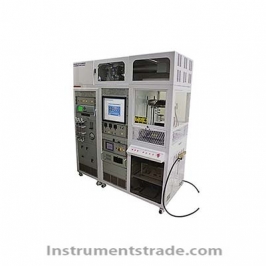
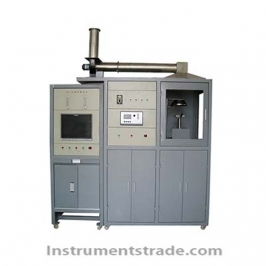
JL-1 Building Materials Calorific Value Tester

Product ID:WRzx009

Price: Please inquire PDF Format
Supply Ability:50SETS/MON
Port:SHENZHEN
  • Product Introduction
  • Other information
  • Model NumberJL-1
    Brand NameNJJIONGLEI
    Payment TermsTT,PAYPAL,Alibaba.com Pay
    JL-1 Building Materials Calorific Value Tester
     
    Product Introduction
    The JL-1 Building Materials Calorific Value Tester is a precision bomb calorimeter designed to determine the heat of combustion of building materials and construction products under standardized test conditions. Also known as a building product combustion calorimeter, it measures the heat released by a specified mass of sample during combustion and calculates the calorific value by accounting for heat losses and latent heat of vaporization.
    The instrument complies with the technical requirements of GB/T 14402-2007, Reaction to Fire Tests for Building Products—Determination of the Heat of Combustion, and supports testing based on the equivalent ISO 1716 method. With microcomputer-based automatic control, precise temperature measurement, and a compact design, the JL-1 is suitable for building material laboratories, fire testing facilities, and quality control applications.


    Performance Features
    • Automatic Microcomputer Control: Automates key testing operations to improve efficiency and consistency.
    •   High Measurement Precision: Features a temperature resolution of 0.0001 K and calorimeter heat-capacity repeatability error of ≤0.2%.
    •  Excellent Repeatability: Designed to deliver repeatability and reproducibility exceeding the stated requirements of GB/T 14402-2007.
    •  Automatic Water Management: Uses the preset water quantity in the built-in inner cylinder to simplify test preparation.
    •   Compact Construction: Features a space-saving structure, precision-molded components, and an attractive design.
    • Easy Installation and Maintenance: Designed for convenient installation, routine maintenance, and reliable operation.
    •  Stable Calorimetric Performance: Provides heat-capacity stability below 0.2% and stated precision below 0.1%.


    Working Principle
    The JL-1 operates on the constant-volume bomb calorimetry principle. A measured quantity of building material is placed inside a sealed combustion bomb, which is filled with oxygen under pressure. The sample is ignited, and the heat released during combustion is transferred to the surrounding water and calorimeter assembly.
    The instrument continuously measures the temperature change and uses the calibrated heat capacity of the calorimeter to calculate the sample's heat of combustion. Appropriate corrections account for heat exchange and other relevant thermal effects, including the latent heat associated with water vaporization, according to the applicable test method.
    Benzoic acid powder is used as the reference material for calorimeter calibration.


    Technical Parameters
    Parameter Specification
    Model JL-1
    Instrument Type Building Materials Calorific Value Tester
    Applicable Standard GB/T 14402-2007
    Equivalent International Standard ISO 1716
    Power Supply AC 220 V ±10%, 50 Hz
    Maximum Power Consumption 0.5 kW
    Operating Temperature 10–35°C
    Maximum Relative Humidity ≤80%
    Calorimeter Heat Capacity Approximately 10,000 J/K
    Heat Capacity Repeatability Error ≤0.2%
    Heat Capacity Stability <0.2%
    Stated Precision <0.1%
    Temperature Measurement Range 4.5–42°C
    Temperature Resolution 0.0001 K
    Combustion Bomb Volume 300 mL
    Inner Cylinder Volume 2,000 mL
    Oxygen Charging Pressure 2.5–3.5 MPa
    Combustion Bomb Sealing No gas leakage under specified charging pressure
    Combustion Bomb Pressure Resistance 20 MPa water pressure
    Stirrer Power 3 W
    Inner Cylinder Stirring Speed 375 r/min
    Calibration Reference Material Benzoic acid powder
    Control System Microcomputer-based automatic control


    Application Scenarios
    • Building Material Fire Testing: Determining the heat of combustion of construction materials and products.
    • Construction Product Manufacturers: Evaluating the combustion characteristics of building materials during product development and quality control.
    •   Fire Safety Laboratories: Supporting standardized reaction-to-fire testing and material assessment.
    •  Third-Party Testing Organizations: Conducting calorific value measurements for building product evaluation.
    • Research Institutions and Universities: Studying the combustion characteristics and thermal energy release of construction materials.
    • Quality Inspection Departments: Supporting material verification and compliance testing under applicable standards.


    Product Comparison
    Feature JL-1 Building Materials Calorific Value Tester Conventional Manual Bomb Calorimeter
    Control Method Microcomputer-based automatic control Depends on configuration
    Temperature Resolution 0.0001 K Model-dependent
    Heat Capacity Repeatability Error ≤0.2% Model-dependent
    Water Quantity Management Automatic use of preset inner-cylinder water quantity May require manual preparation
    Combustion Method Constant-volume oxygen bomb calorimetry Commonly uses oxygen bomb calorimetry
    Standard Application GB/T 14402-2007; ISO 1716 method Depends on model and configuration
    Maintenance Compact design for convenient maintenance Depends on construction
    The JL-1 combines automated operation with high-resolution temperature measurement and stable calorimetric performance, making it suitable for standardized building material combustion testing.


    Frequently Asked Questions (FAQ)
    Q1: What is the JL-1 Building Materials Calorific Value Tester used for?
    It measures the heat of combustion of building materials and construction products under standardized laboratory conditions.
    Q2: Which standards does the JL-1 support?
    It meets the stated technical requirements of GB/T 14402-2007 and supports testing based on the equivalent ISO 1716 method.
    Q3: What measurement principle does the instrument use?
    It uses constant-volume bomb calorimetry, measuring the temperature rise caused by sample combustion in a sealed oxygen-filled bomb.
    Q4: What is the temperature resolution of the JL-1?
    The temperature resolution is 0.0001 K, supporting high-resolution monitoring of temperature changes during combustion tests.
    Q5: What is the heat capacity repeatability error?
    The specified heat capacity repeatability error is ≤0.2%.
    Q6: What is the combustion bomb capacity?
    The combustion bomb has a volume of 300 mL, while the inner cylinder has a volume of 2,000 mL.
    Q7: What oxygen pressure is required for testing?
    The specified oxygen charging pressure is 2.5–3.5 MPa. Operation must follow the instrument manual and applicable laboratory safety procedures.
    Q8: Which reference material is used for calibration?
    Benzoic acid powder is specified as the calorimeter reference material.
    Q9: What environmental conditions are required?
    The specified operating temperature is 10–35°C, with relative humidity not exceeding 80%.


  • Frequently Asked Questions (FAQ)
    Q1: What is the JL-1 Building Materials Calorific Value Tester used for?
    It measures the heat of combustion of building materials and construction products under standardized laboratory conditions.
    Q2: Which standards does the JL-1 support?
    It meets the stated technical requirements of GB/T 14402-2007 and supports testing based on the equivalent ISO 1716 method.
    Q3: What measurement principle does the instrument use?
    It uses constant-volume bomb calorimetry, measuring the temperature rise caused by sample combustion in a sealed oxygen-filled bomb.
    Q4: What is the temperature resolution of the JL-1?
    The temperature resolution is 0.0001 K, supporting high-resolution monitoring of temperature changes during combustion tests.
    Q5: What is the heat capacity repeatability error?
    The specified heat capacity repeatability error is ≤0.2%.
    Q6: What is the combustion bomb capacity?
    The combustion bomb has a volume of 300 mL, while the inner cylinder has a volume of 2,000 mL.
    Q7: What oxygen pressure is required for testing?
    The specified oxygen charging pressure is 2.5–3.5 MPa. Operation must follow the instrument manual and applicable laboratory safety procedures.
    Q8: Which reference material is used for calibration?
    Benzoic acid powder is specified as the calorimeter reference material.
    Q9: What environmental conditions are required?
    The specified operating temperature is 10–35°C, with relative humidity not exceeding 80%.
Products
Analytical instruments
Physical property test
Environmental monitoring and analysis
Lab general equipment
About us
About this website
Our service
Product purchase
Contact Us

Newsletter

Make Sure you dont miss interesting happenings by joining our newsletter program.

Contact Us
+86-18620722006
instruments@instrumentstrade.com