Position: Home > > Analytical instruments > Elemental Analyzer > Metal element analyzer > HW2000-D High-Frequency Infrared Multi-Element Analyzer

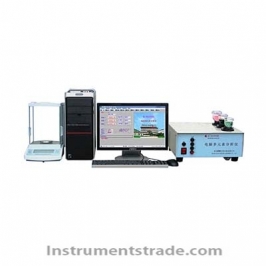
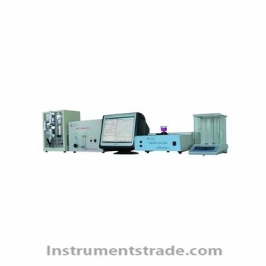
HW2000-D High-Frequency Infrared Multi-Element Analyzer

Product ID:FYjsys011

Price: Please inquire PDF Format
Supply Ability:50SETS/MON
Port:SHENZHEN
  • Product Introduction
  • Other information
  • Model NumberHW2000-D
    Brand NameNINGSIFEN
    Payment TermsTT,PAYPAL,Alibaba.com Pay
    HW2000-D High-Frequency Infrared Multi-Element Analyzer
    Product Introduction   
     
    The HW2000-D High-Frequency Infrared Multi-Element Analyzer is a high-performance elemental analysis instrument designed for the rapid determination of carbon, sulfur, and multiple other elements in metals and non-metallic materials. It uses high-frequency infrared absorption for carbon and sulfur analysis and photoelectric colorimetry for other elements.
    Integrating optical, mechanical, electronic, computer, and analytical technologies, the HW2000-D provides a wide measurement range, high sensitivity, reliable accuracy, and fast analysis. It is particularly suitable for steel, metallurgy, foundry, machinery, mining, research laboratories, and quality-control applications.


    Key Features
    • Dual analytical technologies: High-frequency infrared absorption for C/S and photoelectric colorimetry for other elements.
    • Stable high-frequency power: Self-excited directional coupler power feedback maintains consistent output and promotes complete sample combustion.
    • Precision gas control: High-accuracy electronic flowmeter improves gas-flow stability and analytical reliability.
    • Integrated furnace body: One-piece cast-aluminum furnace construction reduces leakage caused by assembled components.
    • Automatic dust cleaning: Double-spiral furnace-head cleaning, three-layer splash protection, automatic dust removal, and dedicated exhaust channels reduce contamination and blockage.
    • Multi-stage gas filtration: Helps protect the gas chamber during long-term operation.
    • Low-adsorption gas path: Silicone rubber or stainless-steel tubing provides reliable sealing with minimal adsorption or catalytic effects.
    • Fast processing: Imported 72-position sampling chip and quad-core processor provide rapid data acquisition and processing.
    • Optimized infrared optics: The 2–10 μm source wavelength range minimizes stray light and improves measurement stability.
    • Automatic weighing: 0.0001 g readability with automatic data transmission.
    • Large analytical capacity: Ten photoelectric channels, each capable of storing 30 calibration curves, supporting up to 300 elements in principle.


    Working Principle
    For carbon and sulfur analysis, the sample is combusted in a high-frequency furnace. The generated carbon- and sulfur-containing gases are carried through a controlled gas path to the infrared absorption cells. Their characteristic infrared absorption is measured and converted into carbon and sulfur concentrations.
    For other elements, the HW2000-D uses photoelectric colorimetry. The generated or treated sample solution reacts with appropriate reagents to form characteristic colored compounds. The photoelectric system measures the corresponding absorbance, and the instrument calculates the element concentration according to the stored calibration curve.
    The integrated dust removal, filtration, gas-flow control, weighing, data acquisition, and computer processing systems work together to provide fast and stable elemental analysis.


    Technical Specifications
    Parameter Specification
    Model HW2000-D
    Analysis Methods High-frequency infrared absorption for C/S; photoelectric colorimetry for other elements
    Analysis Time 25–60 s adjustable; typically about 35 s
    Sensitivity 0.000001% (0.01 ppm)
    Electronic Balance 0.0001 g readability; automatic data transmission
    High-Frequency Furnace High-power, air-cooled ceramic power tube
    Oscillation Frequency 30 MHz
    Maximum HF Power Up to 5 kW
    Infrared Absorption Cell Integrated dual-carbon/dual-sulfur platinum absorption cell
    Photoelectric System 10 major channels
    Calibration Curves 30 curves per channel
    Theoretical Element Capacity Up to 300 elements
    Sampling / Processing Imported 72-position sampling chip; quad-core processor
    Gas Flow Control High-precision electronic flowmeter
    Gas Path Silicone rubber or stainless steel
    Optical Wavelength 2–10 μm source band
    Applicable Standards GB/T 223, ISO 9556-94, ISO 4935-94, GB 223.3–5-1988, JJG395-97

    Typical Measurement Range
    Element Measurement Range
    Carbon (C) 0.00001%–99.9999%
    Sulfur (S) 0.00001%–99.9999%
    Manganese (Mn) 0.010%–70.000%
    Phosphorus (P) 0.0005%–1.0000%
    Silicon (Si) 0.010%–80.000%
    Chromium (Cr) 0.010%–85.000%
    Nickel (Ni) 0.005%–85.000%
    Molybdenum (Mo) 0.010%–15.000%
    Rare Earth Elements 0.0100%–8.000%
    Magnesium (Mg) 0.0100%–15.000%
    Copper (Cu) 0.010%–95.000%
    Titanium (Ti) 0.010%–10.000%
    The actual measurable range depends on the element, sample matrix, calibration curve, and analytical method.
     

    Accuracy and Standards
    The HW2000-D analytical methods comply with relevant GB/T 223 series standards. Typical examples include:
    • Carbon: ISO 9556
    • Sulfur: ISO 4935
    • Manganese: GB/T 223.69-1988
    • Silicon: GB/T 223.5-2008
    • Phosphorus: GB/T 223.59-2008
    Overall accuracy complies with ISO 9556-94, ISO 4935-94, and GB 223.3–5-1988, while precision complies with JJG395-97 requirements.


    Applications
    The HW2000-D is suitable for:
    • Steel and metallurgy: Carbon, sulfur and alloy-element analysis
    • Foundries: Rapid chemical composition verification of cast materials
    • Metal manufacturing: Incoming raw-material inspection and process control
    • Machinery industry: Material identification and quality control
    • Mining and mineral processing: Multi-element composition analysis
    • Research laboratories: Material development and elemental testing
    • Quality-control laboratories: Batch inspection and production verification
    • Non-metallic materials: Multi-element analysis according to applicable methods


    HW2000-D vs. Conventional Elemental Analysis Instruments
    Feature HW2000-D Conventional Analyzer
    C/S Analysis High-frequency infrared absorption Often requires separate analytical systems
    Other Elements Photoelectric colorimetry Usually limited or method-dependent
    Analysis Time Typically ~35 s Often longer
    Sensitivity Up to 0.000001% Varies by instrument
    HF Furnace Power Up to 5 kW Depends on configuration
    Automatic Dust Cleaning Yes Not always available
    Gas Flow Control High-precision electronic flowmeter Conventional/manual control on some systems
    Calibration Capacity Up to 300 elements in principle Usually lower
    Data Processing Quad-core processor and automatic acquisition Depends on system
    The HW2000-D combines rapid carbon/sulfur analysis with multi-element photoelectric analysis in one integrated platform. Its automatic dust removal, precision gas-flow control, stable infrared optical system, and high-frequency furnace make it well suited to laboratories requiring fast, repeatable, and high-throughput elemental analysis.
     

    Frequently Asked Questions (FAQ)
    1. What elements can the HW2000-D analyze?
    It can analyze carbon, sulfur, manganese, phosphorus, silicon, chromium, nickel, molybdenum, copper, titanium, magnesium, rare earth elements, and other elements according to the configured analytical methods and calibration curves.
    2. How does the HW2000-D measure carbon and sulfur?
    Carbon and sulfur are measured using high-frequency infrared absorption after high-frequency combustion of the sample.
    3. How are other elements measured?
    Other elements are determined using photoelectric colorimetry, with dedicated calibration curves for the corresponding elements and sample matrices.
    4. How long does one analysis take?
    The analysis time is adjustable from 25 to 60 seconds, with a typical analysis taking approximately 35 seconds.
    5. What is the sensitivity of the analyzer?
    The specified sensitivity is as low as 0.000001% (0.01 ppm), depending on the element and analytical conditions.
    6. Can the instrument analyze steel and alloy materials?
    Yes. It is especially suitable for steel, alloys, cast materials, and other metallic materials, with broad measurement ranges for common alloying elements.
    7. How does the instrument control dust and contamination?
    The system uses automatic furnace-head cleaning, automatic dust removal, dedicated exhaust channels, internal dust filtration, and multi-stage gas filtration to reduce contamination and gas-path blockage.
    8. How many calibration curves can be stored?
    The photoelectric colorimetric system has 10 major channels, with each channel capable of storing 30 working curves, theoretically supporting up to 300 elemental analyses.
    9. Which standards does the HW2000-D comply with?
    The analytical methods comply with relevant GB/T 223, ISO 9556, ISO 4935, and other applicable standards, while precision complies with the JJG395-97 metrological verification requirements.


  • Frequently Asked Questions (FAQ)
    1. What elements can the HW2000-D analyze?
    It can analyze carbon, sulfur, manganese, phosphorus, silicon, chromium, nickel, molybdenum, copper, titanium, magnesium, rare earth elements, and other elements according to the configured analytical methods and calibration curves.
    2. How does the HW2000-D measure carbon and sulfur?
    Carbon and sulfur are measured using high-frequency infrared absorption after high-frequency combustion of the sample.
    3. How are other elements measured?
    Other elements are determined using photoelectric colorimetry, with dedicated calibration curves for the corresponding elements and sample matrices.
    4. How long does one analysis take?
    The analysis time is adjustable from 25 to 60 seconds, with a typical analysis taking approximately 35 seconds.
    5. What is the sensitivity of the analyzer?
    The specified sensitivity is as low as 0.000001% (0.01 ppm), depending on the element and analytical conditions.
    6. Can the instrument analyze steel and alloy materials?
    Yes. It is especially suitable for steel, alloys, cast materials, and other metallic materials, with broad measurement ranges for common alloying elements.
    7. How does the instrument control dust and contamination?
    The system uses automatic furnace-head cleaning, automatic dust removal, dedicated exhaust channels, internal dust filtration, and multi-stage gas filtration to reduce contamination and gas-path blockage.
    8. How many calibration curves can be stored?
    The photoelectric colorimetric system has 10 major channels, with each channel capable of storing 30 working curves, theoretically supporting up to 300 elemental analyses.
    9. Which standards does the HW2000-D comply with?
    The analytical methods comply with relevant GB/T 223, ISO 9556, ISO 4935, and other applicable standards, while precision complies with the JJG395-97 metrological verification requirements.


Products
Analytical instruments
Physical property test
Environmental monitoring and analysis
Lab general equipment
About us
About this website
Our service
Product purchase
Contact Us

Newsletter

Make Sure you dont miss interesting happenings by joining our newsletter program.

Contact Us
+86-18620722006
instruments@instrumentstrade.com