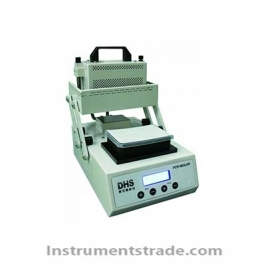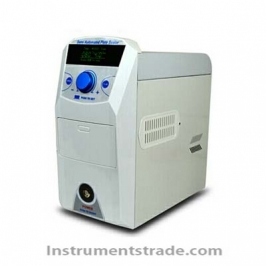
ASP1000 Microplate Heat Sealer

Product ID:SHFZwkb004

Price: Please inquire PDF Format
Supply Ability:50SETS/MON
Port:SHENZHEN
  • Product Introduction
  • Other information
  • Model NumberASP1000
    Brand NameHZRUICHENG
    Payment TermsTT,PAYPAL,Alibaba.com Pay
    ASP1000 Microplate Heat Sealer
      
    Product Introduction
    The ASP1000 Microplate Heat Sealer is a compact, economical semi-automatic instrument designed to seal laboratory microplates using compatible sealing films. Also known as a microplate sealing machine or plate sealing instrument, it helps prevent sample evaporation, leakage, sample loss, and cross-contamination during laboratory testing.
    The ASP1000 supports PCR plates, deep-well plates, ELISA plates, and cell culture plates. Compatible sealing materials include standard adhesive films, heat-sealing films, pierceable heat-sealing films, optical films for quantitative PCR (qPCR), and permanent heat-sealing films.
    With rapid heating, OLED display, automatic plate-height detection, and adjustable sealing temperature and time, the ASP1000 provides consistent sealing without requiring manual pressing or compressed air.


    Performance Features
    •   Rapid Heating: Reaches 170°C within 300 seconds.
    •   Precise Sealing Control: Adjustable sealing temperature from 80°C to 200°C and sealing time from 0.5 to 9.9 seconds.
    •  Consistent Sealing: Controlled sealing pressure, temperature, and time help produce uniform, secure seals.
    • Broad Plate Compatibility: Designed for various microplate formats and compatible sealing films.
    •  Automatic Height Detection: Detects microplate height to support appropriate sealing operation.
    •  Intelligent Door Safety: The motor reverses when an obstruction is detected during door closing, helping protect users and the instrument.
    •  Energy-Saving Standby: After 60 minutes without operation, the instrument enters standby mode and reduces its temperature to 60°C.
    •  Deep Sleep Mode: After 120 minutes of inactivity, the display switches off and heater power is disconnected. Pressing any key restores operation.
    • Easy Maintenance: The detachable access-door mechanism facilitates cleaning and maintenance of the heating plate.
    • Compact Design: Measures just 370 × 178 × 330 mm and requires no compressed air.


    Working Principle
    The ASP1000 uses an electrically heated heating element to apply controlled heat and pressure to a compatible sealing film positioned over a microplate.
    The operator selects the sealing temperature and duration according to the plate and film requirements. The instrument heats the sealing element to the set temperature, detects the plate height, and performs the sealing cycle. Heat and pressure bond the film to the plate rim, creating a secure seal that helps limit evaporation, leakage, and contamination.
    The heating element is designed to recover from a temperature drop of no more than 2°C during sealing and return to its normal operating temperature within 25 seconds.


    Technical Specifications
    Parameter Specification
    Model ASP1000
    Instrument type Semi-automatic microplate heat sealer
    Display OLED
    Sealing temperature range 80–200°C
    Temperature control accuracy 1°C
    Sealing time 0.5–9.9 seconds
    Sealing time adjustment 0.1-second increments
    Heating method Electric heating tube
    Heating time Reaches 170°C within 300 seconds
    Heating element temperature drop during sealing ≤2°C
    Temperature recovery time Within 25 seconds
    Maximum input power 300 W
    Dimensions (D × W × H) 370 × 178 × 330 mm
    Weight 11.46 kg
    Plate compatibility PCR plates, deep-well plates, ELISA plates, cell culture plates
    Film compatibility Standard adhesive, heat-sealing, pierceable, optical qPCR, and permanent heat-sealing films
    Automatic plate-height detection Yes
    Door obstruction protection Motor reversal
    Standby mode After 60 minutes of inactivity; temperature reduced to 60°C
    Deep sleep mode After 120 minutes of inactivity
    Note: Confirm the exact compatible plate dimensions, plate formats, and sealing-film specifications before purchase.


    Application Scenarios
    • Molecular Biology Laboratories: Sealing PCR plates and qPCR plates before thermal cycling and fluorescence analysis.
    • Genomics and Diagnostic Research: Reducing evaporation and cross-contamination during sample processing.
    • Pharmaceutical Laboratories: Sealing microplates used in screening and analytical workflows.
    •  Life Science Research: Sealing deep-well plates and cell culture plates where compatible films are specified.
    • ELISA and Immunoassay Testing: Protecting samples in microplate-based assays.
    • High-Throughput Screening: Improving sealing consistency across routine microplate workflows.


    ASP1000 vs. Manual Microplate Sealing
    Feature ASP1000 Microplate Heat Sealer Manual Film Sealing
    Sealing method Controlled heat sealing Manual application or pressing
    Temperature control Adjustable, 80–200°C Not applicable to adhesive films; varies for manual heat-sealing methods
    Sealing time control 0.5–9.9 seconds Operator-dependent
    Sealing consistency Controlled temperature and time Depends on operator technique
    Plate-height detection Automatic Generally unavailable
    User effort Reduced manual pressing More manual handling
    Safety features Obstruction-responsive door mechanism Depends on the method
    Energy management Automatic standby and deep sleep Not applicable
    Best suited for Repeatable laboratory microplate sealing Simple, low-volume manual sealing


    Frequently Asked Questions
    Q1: What is the ASP1000 microplate heat sealer used for?
    It seals compatible microplates to help prevent sample evaporation, leakage, sample loss, and cross-contamination.
    Q2: Which plate types can the ASP1000 seal?
    It is designed for PCR plates, deep-well plates, ELISA plates, and cell culture plates. Confirm compatibility with the specific plate dimensions and material.
    Q3: What is the sealing temperature range?
    The adjustable sealing temperature ranges from 80°C to 200°C, with a stated temperature control accuracy of 1°C.
    Q4: How long does each sealing cycle take?
    The sealing time can be set from 0.5 to 9.9 seconds in 0.1-second increments. Actual cycle time may also depend on the instrument's operating sequence.
    Q5: Which sealing films are compatible?
    Supported film categories include standard adhesive films, heat-sealing films, pierceable films, optical qPCR films, and permanent heat-sealing films. Compatibility should be verified for each plate-film combination.
    Q6: Does the ASP1000 require compressed air?
    No. The instrument is designed to operate without a compressed-air supply.
    Q7: How does the instrument protect the user during operation?
    If an obstruction is detected while the access door is closing, the motor reverses to help reduce the risk of injury or equipment damage.
    Q8: What happens when the instrument is idle?
    After 60 minutes without activity, it enters standby and reduces the temperature to 60°C. After 120 minutes, it enters deep sleep, turns off the display, and disconnects power to the heating element. Pressing any key restores operation.
    Q9: How quickly does the ASP1000 heat up?
    It reaches 170°C within 300 seconds. During sealing, the heating element temperature drop is specified as no more than 2°C, with recovery within 25 seconds.
     
  • Frequently Asked Questions
    Q1: What is the ASP1000 microplate heat sealer used for?
    It seals compatible microplates to help prevent sample evaporation, leakage, sample loss, and cross-contamination.
    Q2: Which plate types can the ASP1000 seal?
    It is designed for PCR plates, deep-well plates, ELISA plates, and cell culture plates. Confirm compatibility with the specific plate dimensions and material.
    Q3: What is the sealing temperature range?
    The adjustable sealing temperature ranges from 80°C to 200°C, with a stated temperature control accuracy of 1°C.
    Q4: How long does each sealing cycle take?
    The sealing time can be set from 0.5 to 9.9 seconds in 0.1-second increments. Actual cycle time may also depend on the instrument's operating sequence.
    Q5: Which sealing films are compatible?
    Supported film categories include standard adhesive films, heat-sealing films, pierceable films, optical qPCR films, and permanent heat-sealing films. Compatibility should be verified for each plate-film combination.
    Q6: Does the ASP1000 require compressed air?
    No. The instrument is designed to operate without a compressed-air supply.
    Q7: How does the instrument protect the user during operation?
    If an obstruction is detected while the access door is closing, the motor reverses to help reduce the risk of injury or equipment damage.
    Q8: What happens when the instrument is idle?
    After 60 minutes without activity, it enters standby and reduces the temperature to 60°C. After 120 minutes, it enters deep sleep, turns off the display, and disconnects power to the heating element. Pressing any key restores operation.
    Q9: How quickly does the ASP1000 heat up?
    It reaches 170°C within 300 seconds. During sealing, the heating element temperature drop is specified as no more than 2°C, with recovery within 25 seconds.
Products
Analytical instruments
Physical property test
Environmental monitoring and analysis
Lab general equipment
About us
About this website
Our service
Product purchase
Contact Us

Newsletter

Make Sure you dont miss interesting happenings by joining our newsletter program.

Contact Us
+86-18620722006
instruments@instrumentstrade.com