Position: Home > > Life science instrument and equipment > Molecular biology instrument > UV analysis / detection / transmission > ZF-5C Handheld UV Analyzer for Fluorescence Detection

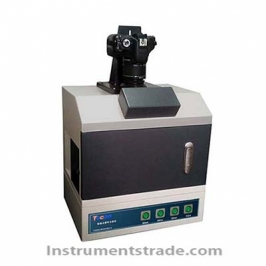
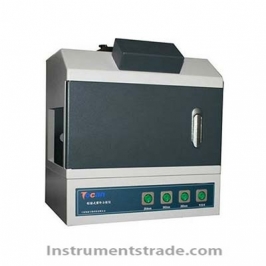
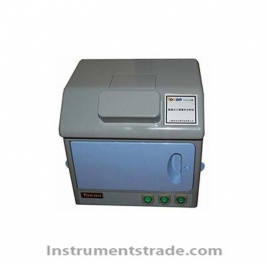
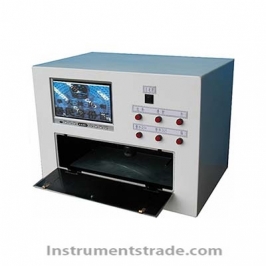
ZF-5C Handheld UV Analyzer for Fluorescence Detection

Product ID:SHFZzwfx011

Price: Please inquire PDF Format
Supply Ability:50 SETS/MON
Port:SHENZHEN
  • Product Introduction
  • Other information
  • Model NumberZF-5C
    Brand NameSHJIAPENG
    Payment TermsTT,PAYPAL,Alibaba.com Pay
    ZF-5C Handheld UV Analyzer for Fluorescence Detection
     
    Product Introduction
    The ZF-5C Handheld UV Analyzer is a portable ultraviolet fluorescence inspection instrument designed for rapid qualitative examination of fluorescent substances across laboratory, industrial, food inspection, and forensic applications. It is also known as a UV fluorescence analyzer, fluorescent substance detector, or portable ultraviolet inspection lamp.
    When exposed to ultraviolet light, many substances absorb excitation energy and emit fluorescence at characteristic wavelengths. By observing fluorescence color and intensity, users can identify fluorescent features and perform preliminary comparisons between samples.
    The ZF-5C supports configurations with 254 nm and 365 nm UV wavelengths, or a 302 nm wavelength option. Its lightweight housing, dual 6 W UV lamps, dedicated optical filter, and protective viewing dark box make it suitable for convenient sample inspection in laboratories and field environments. The deluxe model also features a rechargeable 12 V lithium battery for portable operation.


    Performance Features
    •  Multiple UV wavelength options: Available in 254 nm, 365 nm, or 302 nm configurations to suit different fluorescence inspection requirements.
    • Dual UV lamp design: Equipped with two 6 W UV lamps for sample illumination.
    •  Optical filtering: The filter system reduces visible-light interference to support clearer fluorescence observation.
    • Portable and lightweight construction: Features a high-strength ABS housing designed for durability and convenient handling.
    • Protective viewing dark box: The dedicated dark box helps improve observation contrast and reduces direct exposure to UV radiation during inspection.
    •  High UV intensity: The manufacturer states a UV intensity of 120 μW/cm²; actual intensity depends on the configuration and measurement conditions.
    •  Rechargeable battery option: The deluxe ZF-5C model is equipped with a rechargeable 12 V, 3000 mAh lithium battery.
    • Wide application range: Suitable for fluorescence inspection in biological research, pharmaceuticals, food testing, paper inspection, textiles, chemical products, geology, archaeology, and forensic work.
    •   Simple operation: Enables rapid visual screening without requiring a complex analytical setup.


    Working Principle
    The ZF-5C operates using ultraviolet-induced fluorescence. When a sample is illuminated with an appropriate UV wavelength, fluorescent compounds absorb the incident energy and transition to an excited state. As they return to a lower-energy state, they release part of the absorbed energy as visible or other detectable fluorescence.
    The instrument uses UV lamps and optical filters to provide the excitation light and reduce unwanted visible-light interference. Users observe the resulting fluorescence color and relative intensity through the viewing arrangement to assess the presence or distribution of fluorescent materials.
    Different compounds may produce different fluorescence responses under different excitation wavelengths. Therefore, selecting the appropriate wavelength is important for effective screening. The ZF-5C is primarily a visual fluorescence inspection tool; definitive identification or quantitative determination may require reference standards or additional analytical instruments.


    Technical Parameters
    Parameter Specification
    Model ZF-5C
    Instrument Type Handheld UV Analyzer
    Detection Method UV-induced fluorescence observation
    Available Wavelength Configurations 302 nm; or 254 nm and 365 nm
    UV Lamp Configuration 2 × 6 W UV lamps
    Reflective Filter Dimensions 200 × 50 mm
    Stated UV Intensity 120 μW/cm², manufacturer-stated
    Housing Material High-strength ABS
    Viewing Accessory Dedicated dark box with protective viewing window
    Battery (Deluxe Model) Rechargeable lithium battery, 12 V / 3000 mAh
    Standard Model Available with 302 nm or 254 nm / 365 nm configuration
    Deluxe Model Available with 302 nm or 254 nm / 365 nm configuration, plus rechargeable battery
    Note: Confirm the required wavelength configuration when ordering. The source specifies the UV intensity but does not provide a measurement distance or detailed test conditions. Dimensions, total weight, charging time, and battery runtime were not provided.


    Application Scenarios
    1. Food Safety and Agricultural Product Inspection
    Supports preliminary fluorescence screening of food products, agricultural products, and food-processing samples. Potential targets may include fluorescent contaminants, whitening agents, and certain toxins when an appropriate screening procedure is available. Positive fluorescence alone does not confirm the presence of a specific contaminant.
    2. Paper and Packaging Inspection
    Helps inspect paper, packaging materials, and related products for fluorescent characteristics, including those associated with fluorescent whitening agents. It can assist with comparative quality checks and preliminary screening.
    3. Biological and Molecular Biology Research
    Provides UV fluorescence observation for suitable biological samples and fluorescent compounds, including applications involving proteins, nucleotides, and other fluorescence-producing substances.
    4. Pharmaceutical Research and Quality Inspection
    Supports the preliminary examination of fluorescent pharmaceutical compounds, vitamins, alkaloids, and other substances that exhibit fluorescence. It may also assist with thin-layer chromatography (TLC) spot visualization when the compounds and plates are compatible with the selected wavelength.
    5. Chemical, Dye, and Petroleum Industries
    Used to inspect fluorescent dyes, coatings, rubber products, additives, and selected petroleum samples. Fluorescence differences may help with preliminary sample comparison.
    6. Textile and Fiber Inspection
    Assists with examining wool, silk, cotton, synthetic fibers, and other textile materials for fluorescence characteristics and comparative quality assessment.
    7. Forensic Examination
    Can support the visual examination of fluorescent traces, selected fingerprints, and fluorescent or UV-reactive writing. Results depend on the evidence, surface, and inspection method.
    8. Geology, Archaeology, and Cultural Heritage
    Helps reveal fluorescence differences in selected minerals, fossils, and materials associated with archaeological or heritage objects. Further examination may be needed to establish composition or authenticity.
    9. Field Inspection and Quality Control
    The portable design is suitable for on-site screening by food-processing facilities, warehouses, laboratories, inspection departments, and other organizations requiring rapid visual fluorescence checks.


    ZF-5C vs. Conventional UV Inspection Methods
    Comparison Item ZF-5C Handheld UV Analyzer Conventional Laboratory UV Analyzer
    Primary Function Visual fluorescence screening May support visual or instrument-based measurement
    Portability Handheld design; rechargeable deluxe option Varies; many systems are benchtop instruments
    Wavelength Options 302 nm or 254 nm / 365 nm configurations Depends on the instrument
    Sample Preparation Often minimal for visual screening Depends on analytical method
    Result Type Visual fluorescence color and relative intensity May provide visual results or numerical data
    Data Output No electronic data output specified in the supplied information Depends on the instrument and software
    Typical Use Field checks, rapid screening, routine fluorescence inspection Laboratory analysis and applications requiring more controlled measurements
    This comparison describes general instrument categories rather than a performance test against a specific competing model.


    Frequently Asked Questions (FAQ)
    1. What is the ZF-5C Handheld UV Analyzer used for?
    It is used for visual fluorescence inspection of samples such as paper, food products, biological materials, textiles, chemicals, and selected forensic evidence.
    2. Which UV wavelengths are available?
    The ZF-5C is offered in a 302 nm configuration or a dual-wavelength 254 nm and 365 nm configuration. The required version should be specified when ordering.
    3. What is the difference between the standard and deluxe models?
    The deluxe ZF-5C includes a rechargeable 12 V, 3000 mAh lithium battery. Both model types are listed with 302 nm or 254 nm / 365 nm wavelength options.
    4. Can the ZF-5C detect fluorescent whitening agents in paper or food packaging?
    It can help screen materials for fluorescence characteristics associated with whitening agents. However, fluorescence is not conclusive proof of a specific substance; confirmation may require a validated analytical method.
    5. Can it be used for aflatoxin or other toxin screening?
    It may be used in suitable fluorescence-based preliminary screening procedures. Not all toxins fluoresce in the same way, and reliable detection depends on sample preparation, wavelength selection, and a validated method. Confirmatory testing may be required.
    6. Is the ZF-5C suitable for thin-layer chromatography (TLC)?
    Yes, it can assist with visualizing TLC spots when the analytes and chromatography plates respond appropriately to the selected UV wavelength.
    7. Does the instrument provide quantitative concentration results?
    The supplied specifications describe visual fluorescence inspection rather than calibrated quantitative measurement. Determining concentration generally requires an appropriate validated method, standards, and suitable measurement equipment.
    8. Does the UV analyzer include eye and skin protection?
    The supplied description specifies a dedicated dark box with a protective viewing window to improve observation and reduce UV exposure. Users should still follow UV safety procedures, avoid direct eye or skin exposure, and use appropriate protective equipment.


  • Frequently Asked Questions (FAQ)
    1. What is the ZF-5C Handheld UV Analyzer used for?
    It is used for visual fluorescence inspection of samples such as paper, food products, biological materials, textiles, chemicals, and selected forensic evidence.
    2. Which UV wavelengths are available?
    The ZF-5C is offered in a 302 nm configuration or a dual-wavelength 254 nm and 365 nm configuration. The required version should be specified when ordering.
    3. What is the difference between the standard and deluxe models?
    The deluxe ZF-5C includes a rechargeable 12 V, 3000 mAh lithium battery. Both model types are listed with 302 nm or 254 nm / 365 nm wavelength options.
    4. Can the ZF-5C detect fluorescent whitening agents in paper or food packaging?
    It can help screen materials for fluorescence characteristics associated with whitening agents. However, fluorescence is not conclusive proof of a specific substance; confirmation may require a validated analytical method.
    5. Can it be used for aflatoxin or other toxin screening?
    It may be used in suitable fluorescence-based preliminary screening procedures. Not all toxins fluoresce in the same way, and reliable detection depends on sample preparation, wavelength selection, and a validated method. Confirmatory testing may be required.
    6. Is the ZF-5C suitable for thin-layer chromatography (TLC)?
    Yes, it can assist with visualizing TLC spots when the analytes and chromatography plates respond appropriately to the selected UV wavelength.
    7. Does the instrument provide quantitative concentration results?
    The supplied specifications describe visual fluorescence inspection rather than calibrated quantitative measurement. Determining concentration generally requires an appropriate validated method, standards, and suitable measurement equipment.
    8. Does the UV analyzer include eye and skin protection?
    The supplied description specifies a dedicated dark box with a protective viewing window to improve observation and reduce UV exposure. Users should still follow UV safety procedures, avoid direct eye or skin exposure, and use appropriate protective equipment.
Products
Analytical instruments
Physical property test
Environmental monitoring and analysis
Lab general equipment
About us
About this website
Our service
Product purchase
Contact Us

Newsletter

Make Sure you dont miss interesting happenings by joining our newsletter program.

Contact Us
+86-18620722006
instruments@instrumentstrade.com