Position: Home > > Lab general equipment > Synthesis / reaction equipment > Reaction kettle > YZTR-100MS Sapphire Visual Reaction Vessel

YZTR-100MS Sapphire Visual Reaction Vessel

Product ID:SYHCfyf023

Price: Please inquire PDF Format
Supply Ability:50 SETS/MONTH
Port:SHENZHEN
  • Product Introduction
  • Other information
  • Model NumberYZTR-100MS
    Brand NameSHYANZHENG
    Payment TermsTT,PAYPAL,Alibaba.com Pay
    YZTR-100MS Sapphire Visual Reaction Vessel
     
    Product Introduction
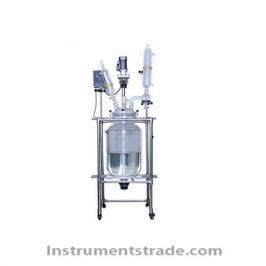
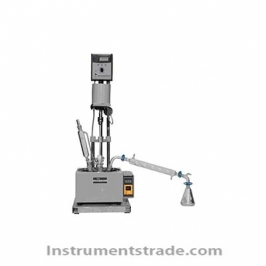
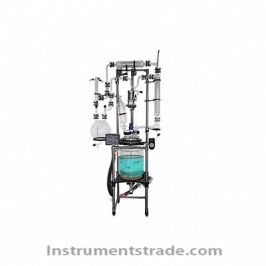
    The YZTR-100MS Sapphire Visual Reaction Vessel is a high-pressure laboratory reactor designed for research involving chemical reactions under controlled temperature and pressure. Its vessel components are made from sapphire, 316L stainless steel, and PTFE, providing visibility and resistance to corrosion and elevated temperatures under suitable operating conditions.
    The reactor uses a ring-shaped permanent-magnet drive with a static sealing structure for powerful stirring without a rotating shaft seal penetrating the vessel. It features oil-bath circulation heating, a touchscreen control interface, electric vessel lifting, data recording, report export, and safety interlocks. It is suitable for research institutions, universities, and laboratories working in petroleum, chemical, pharmaceutical, dye, metallurgical, and food-related fields.


    Performance Features
    •  Visible reaction chamber: Sapphire components enable visual observation of reaction processes.
    •  High-pressure operation: Maximum specified working pressure of 100 bar.
    •  Magnetic stirring: Static sealing design helps reduce leakage risks associated with conventional rotating shaft seals.
    • Electric lifting structure: The vessel body moves vertically for convenient opening and closing.
    • Oil-bath circulation heating: Provides stable heat transfer and temperature control.
    • Touchscreen operation: Full-touch interface based on the YZ-MRCTR operating system.
    •  Data management: Supports data acquisition, recording, and report export.
    • Safety protection: Safety interlocks and overtemperature and overpressure alarms.
    •  Compact design: Space-efficient construction for laboratory use.


    Working Principle
    The YZTR-100MS uses an oil-bath circulation system to transfer heat to the reaction vessel. The temperature controller regulates heating to maintain the selected temperature within the specified control accuracy under suitable conditions.
    A permanent-magnet drive transmits rotational force to the internal stirring assembly through a static sealing structure, enabling mixing while minimizing the risk of leakage through a rotating shaft seal. The sapphire viewing component allows operators to observe the reaction, while the touchscreen system manages operating settings, data acquisition, and records. Safety interlocks and alarms help protect the equipment during operation.


    Technical Parameters
    Parameter Specification
    Model YZTR-100MS
    Reactor Type Sapphire Visual Reaction Vessel
    Opening and Closing Method KF quick-tightening type; fixed lid with electrically lifted vessel body
    Sealing Method Self-tightening O-ring seal
    Heat Transfer Method Oil-bath circulation heating
    Design Temperature 200°C
    Operating Temperature -10 to 150°C
    Temperature Control Accuracy ±1°C, without strong exothermic or endothermic effects
    Design Pressure 150 bar
    Listed Burst Pressure 125 bar
    Maximum Operating Pressure ≤100 bar
    Standard Materials Sapphire and 316L stainless steel
    Stirring Power 80 W
    Stirring Torque 0.47 N·m
    Stirring Speed 150–1000 rpm
    Operating System YZ-MRCTR
    Control Interface Touchscreen
    Data Functions Data acquisition, recording, and report export
    Safety Functions Interlocks, overtemperature alarm, and overpressure alarm


    Application Scenarios
    • Petroleum research: Laboratory investigation of petroleum-related reactions under controlled conditions.
    • Chemical synthesis: Observation and evaluation of chemical reactions at elevated pressure.
    • Pharmaceutical R&D: Laboratory-scale reaction studies and process development.
    •  Dye and pigment research: Investigation of reaction behavior and synthesis conditions.
    • Metallurgy and mining research: Laboratory studies involving chemical processing and reaction systems.
    • Food-related research: Controlled laboratory reaction studies where compatible materials and operating conditions are confirmed.
    • University and institutional laboratories: High-pressure reaction experiments requiring visual observation, stirring, temperature control, and data recording.


    Comparison: Sapphire Visual Reaction Vessel vs. Conventional Laboratory Reactor
    Feature YZTR-100MS Sapphire Visual Reaction Vessel Conventional Non-Visual Reactor
    Reaction Observation Sapphire viewing component supports visual observation Usually requires separate monitoring methods
    Stirring Drive Magnetic drive with static sealing Depends on design; may use a shaft seal
    Heating Method Oil-bath circulation heating Varies by model
    Temperature Range -10 to 150°C operating range Model-dependent
    Maximum Working Pressure ≤100 bar Model-dependent
    Temperature Control Accuracy ±1°C under specified conditions Model-dependent
    Data Management Acquisition, recording, and report export Depends on control system
    Safety Features Interlocks and overtemperature/overpressure alarms Depends on configuration


    Frequently Asked Questions (FAQ)
    1. What is the YZTR-100MS sapphire visual reaction vessel used for?
    It is designed for laboratory research involving high-pressure chemical reactions that benefit from visual observation, magnetic stirring, and controlled heating.
    2. What is the maximum operating pressure?
    The specified maximum operating pressure is 100 bar. Actual operating limits must follow the manufacturer's instructions and the approved operating conditions.
    3. What is the operating temperature range?
    The specified operating temperature range is -10 to 150°C, with a design temperature of 200°C.
    4. Can the reaction process be observed directly?
    Yes. Its sapphire viewing component allows visual observation of the reaction process, subject to the vessel configuration and the visibility of the reaction mixture.
    5. How does the magnetic stirring system work?
    A permanent-magnet drive transmits rotation to the internal stirring assembly through a static sealing structure, reducing reliance on a rotating shaft seal through the vessel wall.
    6. What heating method does this reactor use?
    It uses oil-bath circulation heating for heat transfer and temperature regulation.
    7. Does the reactor support data recording?
    Yes. The control system supports data acquisition, recording, and report export.
    8. What safety features are included?
    The reactor includes safety interlocks and overtemperature and overpressure alarms. These features do not replace appropriate pressure-system procedures and protective measures.
    9. Which materials are used in the reactor?
    The listed standard materials include sapphire and 316L stainless steel; PTFE is also specified among the vessel materials. Chemical compatibility should be verified for each application.


  • Frequently Asked Questions (FAQ)
    1. What is the YZTR-100MS sapphire visual reaction vessel used for?
    It is designed for laboratory research involving high-pressure chemical reactions that benefit from visual observation, magnetic stirring, and controlled heating.
    2. What is the maximum operating pressure?
    The specified maximum operating pressure is 100 bar. Actual operating limits must follow the manufacturer's instructions and the approved operating conditions.
    3. What is the operating temperature range?
    The specified operating temperature range is -10 to 150°C, with a design temperature of 200°C.
    4. Can the reaction process be observed directly?
    Yes. Its sapphire viewing component allows visual observation of the reaction process, subject to the vessel configuration and the visibility of the reaction mixture.
    5. How does the magnetic stirring system work?
    A permanent-magnet drive transmits rotation to the internal stirring assembly through a static sealing structure, reducing reliance on a rotating shaft seal through the vessel wall.
    6. What heating method does this reactor use?
    It uses oil-bath circulation heating for heat transfer and temperature regulation.
    7. Does the reactor support data recording?
    Yes. The control system supports data acquisition, recording, and report export.
    8. What safety features are included?
    The reactor includes safety interlocks and overtemperature and overpressure alarms. These features do not replace appropriate pressure-system procedures and protective measures.
    9. Which materials are used in the reactor?
    The listed standard materials include sapphire and 316L stainless steel; PTFE is also specified among the vessel materials. Chemical compatibility should be verified for each application.
Products
Analytical instruments
Physical property test
Environmental monitoring and analysis
Lab general equipment
About us
About this website
Our service
Product purchase
Contact Us

Newsletter

Make Sure you dont miss interesting happenings by joining our newsletter program.

Contact Us
+86-18620722006
instruments@instrumentstrade.com