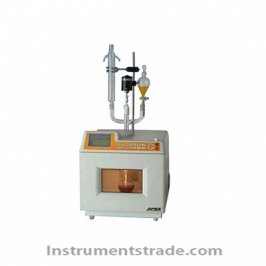
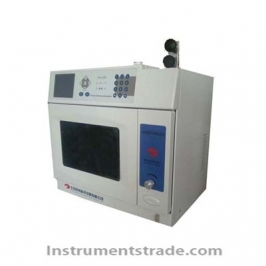
XH-800A+Microwave Hydrothermal Synthesis Instrument Introduction: The microwave hydrothermal synthesis instrument is an effective carrier for the new method of preparing nanomaterials - microwave hydrothermal method. Based on the traditional hydrothermal method, this method changes the energy supply mode, improves the synthesis efficiency, adds multiple control dimensions, enhances the reproducibility of experiments, and effectively reduces the environmental conditions required for preparation. Therefore, the development and establishment of this instrument method will achieve international cutting-edge research results in the fields of material preparation, environmental pollution control, and energy conversion and storage. Compared with traditional methods, which have slow synthesis speed, low yield, high cost, and safety hazards, the use of microwave catalysis and microwave hydrothermal synthesis can significantly improve synthesis speed, yield, and repeatability, and have important innovations in methodology. Microwave heating enables reactants to cross energy levels, increase molecular average kinetic energy, and accelerate chemical reactions; This instrument can combine in-situ magnetic stirring with single station microwave hydrothermal reaction, improve the uniformity of the system, enhance experimental reproducibility, and can undertake the key task of material synthesis innovation. Technical parameters: microwave system Microwave source: Imported professional microwave source Power supply: AC220V ± 10%, 50HZ, 10A Microwave frequency: 2450MHz Microwave input power: 1500W Microwave output power: 1000W Microwave power adjustment method: continuously adjustable Microwave resonant cavity material: austenitic stainless steel Microwave resonant cavity volume: 30L Microwave resonant cavity mode: multi-mode Continuous working hours:/ Working mode: High pressure: Closed reaction using a high-pressure reactor Temperature controller Main temperature measurement method: Titanium alloy PT1000 temperature sensor Temperature sensor range: 0-300 ℃ Maximum operating temperature: 260 ℃ Working temperature control range: 0-300 ℃ Temperature control accuracy: ± 1 ℃ Response speed: 7ms Pressure control system Pressure measurement method: piezoelectric ceramic Pressure sensor range: 0-10MPa Maximum working pressure: 6MPa Work pressure control range: 0-10MPa Pressure measurement accuracy: 0.01MPa Response speed: 5-10ms Microwave high-pressure reaction vessel Specification: 100ml Material: Outer Tank: Polyether Ether Ketone Resin (PEEK) Inner Tank: Polytetrafluoroethylene (PTFE) Maximum withstand voltage: 6MPa Usage frequency: Non disposable, reusable Single mode muffle furnace reaction vessel: Cooling system Cooling system: air-cooled
Introduction: The microwave hydrothermal synthesis instrument is an effective carrier for the new method of preparing nanomaterials - microwave hydrothermal method. Based on the traditional hydrothermal method, this method changes the energy supply mode, improves the synthesis efficiency, adds multiple control dimensions, enhances the reproducibility of experiments, and effectively reduces the environmental conditions required for preparation. Therefore, the development and establishment of this instrument method will achieve international cutting-edge research results in the fields of material preparation, environmental pollution control, and energy conversion and storage. Compared with traditional methods, which have slow synthesis speed, low yield, high cost, and safety hazards, the use of microwave catalysis and microwave hydrothermal synthesis can significantly improve synthesis speed, yield, and repeatability, and have important innovations in methodology. Microwave heating enables reactants to cross energy levels, increase molecular average kinetic energy, and accelerate chemical reactions; This instrument can combine in-situ magnetic stirring with single station microwave hydrothermal reaction, improve the uniformity of the system, enhance experimental reproducibility, and can undertake the key task of material synthesis innovation.