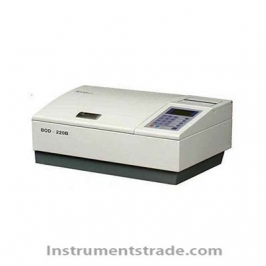
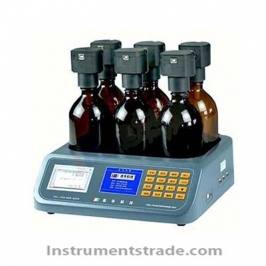
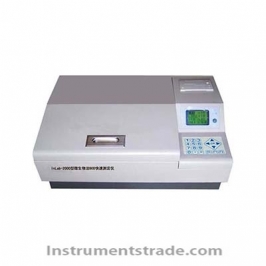
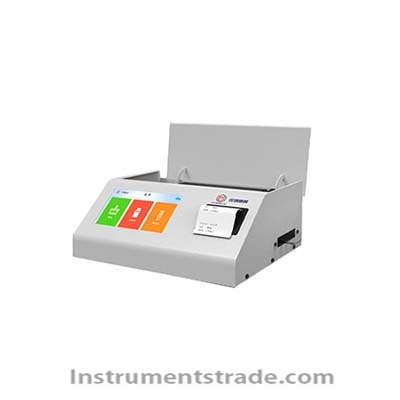
Position: Home > > Environmental monitoring and analysis > Water organic pollutants > BOD measuring instrument > UPW-BK10 Automatic Rapid BOD Analyzer

UPW-BK10 Automatic Rapid BOD Analyzer

Product ID:HSYJbod024

Price: Please inquire PDF Format
Supply Ability:50 SETS/MON
Port:SHENZHEN
  • Product Introduction
  • Other information
  • Model NumberUPW-BK10
    Brand NameYOUPUTONGYONG
    Payment TermsTT,PAYPAL,Alibaba.com Pay
    UPW-BK10 Automatic Rapid BOD Analyzer
     
    Product Introduction
    The UPW-BK10 Automatic Rapid BOD Analyzer is an advanced water quality testing instrument designed to measure biochemical oxygen demand (BOD) using the microbial membrane electrode method. It employs continuous-flow measurement and an automated peristaltic pump system to deliver samples at a controlled rate, enabling automatic sampling, measurement, cleaning, and waste discharge.
    The analyzer detects changes in dissolved oxygen caused by microbial activity. When a sample containing biodegradable organic matter passes through the flow cell, specialized microorganisms consume oxygen as they metabolize the organic compounds. The resulting change in dissolved oxygen is detected by the oxygen electrode and correlated with the organic matter content to calculate the BOD value.
    Designed for laboratory and industrial wastewater testing, the UPW-BK10 offers a measurement range of 2–4000 mg/L with automatic dilution, adjustable sample measurement times of 8–30 minutes, and a relative standard deviation of ≤5%. Its integrated three-electrode sensor, electronic temperature control, and 7-inch color touchscreen support convenient operation and consistent analytical performance.
    The instrument complies with the Chinese environmental standard HJ/T 86-2002, Water Quality—Determination of Biochemical Oxygen Demand (BOD)—Rapid Determination Method Using Microbial Sensors. The method is also listed as a Class A method in the fourth edition of Water and Wastewater Monitoring and Analysis Methods, according to the supplied product information.


    Performance Features
    1. Microbial Membrane Electrode Technology: Uses specialized BOD microorganisms to measure oxygen consumption associated with biodegradable organic matter.
    2. Fully Automatic Operation: Automatically manages standard solutions, cleaning solutions, samples, and waste discharge, reducing manual intervention.
    3. Continuous-Flow Sampling: A peristaltic pump provides controlled, continuous sample delivery for automated measurement.
    4.  Integrated Three-Electrode Sensor: Incorporates a microbial electrode and reference electrode in an integrated sensor assembly for stable signal acquisition.
    5. Integrated Flow and Measurement Cell: Combines the flow cell and measurement cell into one design for convenient cleaning and maintenance.
    6. Precise Temperature Control: Features an electronic constant-temperature system with dual S-shaped gas and liquid flow paths to regulate the temperatures of samples and aeration air.
    7. 7-Inch Color Touchscreen: Displays instrument status and measurement results through an intuitive touchscreen interface.
    8.  Data Storage and Printing: Supports measurement data storage and printing for laboratory records and reporting.
    9.  Long-Term Membrane Storage: The dry-layer microbial membrane can be stored under normal-temperature, dry conditions for more than one year,  according to the manufacturer.
    10. Convenient Microbial Membrane Maintenance: The dedicated BOD microbial membrane can be used without conventional biochemical culture preparation, with an activation service life exceeding 30 days.
    11. Resistance to Interference: Specialized microorganisms are cultivated through long-term acclimation to improve tolerance to toxic substances and interfering components in complex industrial wastewater.
    12. Automatic Dilution: Supports measurements up to 4000 mg/L through a utomatic dilution, expanding the applicable concentration range.


    Working Principle
    The UPW-BK10 Automatic Rapid BOD Analyzer operates on the microbial membrane electrode principle, using the relationship between microbial oxygen consumption and the biodegradable organic matter content of a water sample.
    The measurement process follows these steps:
    1. Automatic Sample Introduction: A peristaltic pump transports the sample through the analyzer's continuous-flow system.
    2. Microbial Reaction: The sample passes through the measurement cell containing a specialized microbial membrane. Microorganisms consume dissolved oxygen while metabolizing biodegradable organic compounds.
    3. Dissolved Oxygen Detection: The oxygen electrode detects changes in dissolved oxygen. In a blank buffer solution, microbial oxygen consumption is low; in a sample containing biodegradable organic matter, oxygen consumption increases.
    4. Electrical Signal Conversion: The change in dissolved oxygen produces a corresponding change in the oxygen electrode's output current.
    5. BOD Calculation: The instrument processes the signal change and calculates the BOD value based on the established relationship between the sensor response and organic matter concentration.
    6. Automatic Cleaning and Waste Discharge: After measurement, the instrument automatically manages the cleaning solution and waste discharge to prepare for subsequent analyses.
    This automated workflow enables rapid BOD testing with reduced manual handling and supports routine monitoring of water quality and wastewater treatment processes.


    Technical Parameters
    Parameter Specification
    Model UPW-BK10
    Instrument Type Automatic Rapid BOD Analyzer
    Measurement Principle Microbial membrane electrode method
    Sampling Method Continuous-flow measurement
    Signal Output Microbial electrode: 0–20 μA
    Measurement Range 2–4000 mg/L, with automatic dilution
    Sample Measurement Time Adjustable from 8 to 30 minutes
    Relative Standard Deviation ≤5%
    Correlation Coefficient r > 0.998
    Communication Interfaces RS232 / USB
    Operating Temperature 5–42°C
    Operating Humidity ≤80% RH at 20°C
    Display 7-inch color touchscreen
    Sample Handling Automatic sampling, cleaning, and waste discharge
    Temperature Control Electronic constant-temperature control
    Data Management Data storage and printing
    Applicable Standard HJ/T 86-2002


    Application Scenarios
    • Municipal Wastewater Treatment Plants: Rapid BOD testing of influent, effluent, and process water to support wastewater treatment monitoring.
    •  Industrial Wastewater Laboratories: BOD analysis of wastewater containing biodegradable organic compounds, including samples with complex compositions.
    • Environmental Monitoring Laboratories: Routine water quality testing in accordance with applicable analytical procedures.
    •  Water Quality Testing Centers: Automated BOD measurement for laboratory testing and environmental assessment.
    • Industrial Process Monitoring: Evaluation of wastewater organic load and changes in treatment performance.
    • Research Institutions and Universities: Studies involving biodegradable organic matter, microbial sensing, and wastewater treatment.
    • Environmental Compliance Testing: Support for BOD testing under the applicable method and quality-control requirements.


    UPW-BK10 vs. Conventional BOD Testing Methods
    Feature UPW-BK10 Automatic Rapid BOD Analyzer Conventional BOD₅ Method
    Measurement Principle Microbial membrane electrode method Dissolved oxygen measurement before and after incubation
    Typical Measurement Time 8–30 minutes per sample, adjustable Typically 5 days for BOD₅
    Sample Handling Automated sampling and cleaning Generally requires manual preparation and handling
    Measurement Workflow Continuous-flow analysis Batch-based incubation and measurement
    Dilution Automatic dilution supported Usually prepared manually
    Sensor Technology Integrated microbial membrane electrode assembly Dissolved oxygen sensor or titration method
    Data Management Electronic storage and printing Depends on laboratory equipment and workflow
    Best Suited For Rapid screening and routine monitoring using the microbial sensor method Standard BOD₅ determination when required by regulations or testing protocols
    Important: The UPW-BK10 uses a rapid microbial sensor method and should not automatically be considered interchangeable with conventional five-day BOD₅ results. Confirm method acceptance, calibration, and correlation requirements for the intended application.


    Frequently Asked Questions
    1. What is the UPW-BK10 Automatic Rapid BOD Analyzer used for?
    It measures biochemical oxygen demand (BOD) in water and wastewater using microbial membrane electrode technology. Typical applications include wastewater treatment monitoring, industrial effluent testing, and environmental laboratory analysis.
    2. What is the measurement range of the UPW-BK10?
    The measurement range is 2–4000 mg/L with automatic dilution, making it suitable for samples with different BOD concentrations within the instrument's validated operating range.
    3. How long does one BOD measurement take?
    The sample measurement time is adjustable from 8 to 30 minutes. Actual analysis time may depend on sample characteristics, instrument settings, and the measurement procedure.
    4. What is the measurement principle of the UPW-BK10?
    The analyzer uses specialized microorganisms immobilized in a microbial membrane. Biodegradable organic matter stimulates microbial activity and oxygen consumption, causing a change in the oxygen electrode's output signal. The instrument uses this response to calculate the BOD value.
    5. Does the UPW-BK10 support automatic sampling and cleaning?
    Yes. The peristaltic pump drives continuous-flow sampling, while the instrument automatically handles sample introduction, cleaning solution delivery, standard solution delivery, and waste discharge.
    6. Can the UPW-BK10 analyze complex industrial wastewater?
    The dedicated microbial membrane is designed to provide improved tolerance to toxic substances and interfering components after long-term microbial acclimation. However, sample-specific interference testing and method validation may still be necessary for complex industrial wastewater.
    7. How long can the microbial membrane be stored and used?
    According to the supplied specifications, the dry-layer microbial membrane can be stored for more than one year under normal-temperature, dry conditions. Its activation service life exceeds 30 days. Actual performance depends on storage, activation, operating conditions, and maintenance.
    8. Which communication interfaces does the analyzer provide?
    The UPW-BK10 supports RS232 and USB interfaces for communication with compatible external devices and data-management systems.
    9. Which standards does the UPW-BK10 comply with?
    The supplied product information identifies HJ/T 86-2002, the Chinese standard for rapid BOD determination using microbial sensors. Laboratories should verify the current applicable standard and confirm that this method is accepted for their intended regulatory or reporting purpose.


  • Frequently Asked Questions
    1. What is the UPW-BK10 Automatic Rapid BOD Analyzer used for?
    It measures biochemical oxygen demand (BOD) in water and wastewater using microbial membrane electrode technology. Typical applications include wastewater treatment monitoring, industrial effluent testing, and environmental laboratory analysis.
    2. What is the measurement range of the UPW-BK10?
    The measurement range is 2–4000 mg/L with automatic dilution, making it suitable for samples with different BOD concentrations within the instrument's validated operating range.
    3. How long does one BOD measurement take?
    The sample measurement time is adjustable from 8 to 30 minutes. Actual analysis time may depend on sample characteristics, instrument settings, and the measurement procedure.
    4. What is the measurement principle of the UPW-BK10?
    The analyzer uses specialized microorganisms immobilized in a microbial membrane. Biodegradable organic matter stimulates microbial activity and oxygen consumption, causing a change in the oxygen electrode's output signal. The instrument uses this response to calculate the BOD value.
    5. Does the UPW-BK10 support automatic sampling and cleaning?
    Yes. The peristaltic pump drives continuous-flow sampling, while the instrument automatically handles sample introduction, cleaning solution delivery, standard solution delivery, and waste discharge.
    6. Can the UPW-BK10 analyze complex industrial wastewater?
    The dedicated microbial membrane is designed to provide improved tolerance to toxic substances and interfering components after long-term microbial acclimation. However, sample-specific interference testing and method validation may still be necessary for complex industrial wastewater.
    7. How long can the microbial membrane be stored and used?
    According to the supplied specifications, the dry-layer microbial membrane can be stored for more than one year under normal-temperature, dry conditions. Its activation service life exceeds 30 days. Actual performance depends on storage, activation, operating conditions, and maintenance.
    8. Which communication interfaces does the analyzer provide?
    The UPW-BK10 supports RS232 and USB interfaces for communication with compatible external devices and data-management systems.
    9. Which standards does the UPW-BK10 comply with?
    The supplied product information identifies HJ/T 86-2002, the Chinese standard for rapid BOD determination using microbial sensors. Laboratories should verify the current applicable standard and confirm that this method is accepted for their intended regulatory or reporting purpose.


Products
Analytical instruments
Physical property test
Environmental monitoring and analysis
Lab general equipment
About us
About this website
Our service
Product purchase
Contact Us

Newsletter

Make Sure you dont miss interesting happenings by joining our newsletter program.

Contact Us
+86-18620722006
instruments@instrumentstrade.com