Position: Home > > Environmental monitoring and analysis > Industrial gas analysis > Hydrogen analyzer > QRD-210 Thermal Conductivity Hydrogen Analyzer

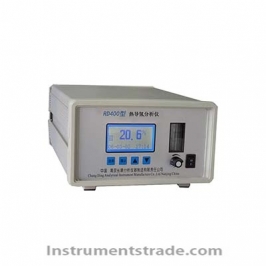
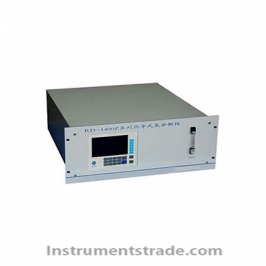
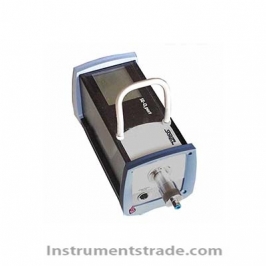
QRD-210 Thermal Conductivity Hydrogen Analyzer

Product ID:HQGYqing006

Price: Please inquire PDF Format
Supply Ability:50SETS/MON
Port:SHENZHEN
  • Product Introduction
  • Other information
  • Model NumberQRD - 210
    Brand NameBJXIBI
    Payment TermsTT,PAYPAL,Alibaba.com Pay
    QRD-210 Thermal Conductivity Hydrogen Analyzer
     
    Product Introduction
    The QRD-210 Thermal Conductivity Hydrogen Analyzer is designed for continuous measurement of hydrogen concentration in mixed gases. It operates by measuring differences in thermal conductivity between gases, allowing hydrogen concentration to be determined when the background gas composition remains sufficiently stable.
    Hydrogen has a substantially higher thermal conductivity than common background gases such as nitrogen and oxygen, making thermal conductivity analysis suitable for hydrogen concentration monitoring in various industrial processes.
    With configurable measurement ranges, analog output, and optional serial communication, the QRD-210 supports continuous gas analysis in chemical plants, power stations, nuclear facilities, steel production, laboratories, and hydrogen production systems.


    Performance Features
    • Thermal conductivity measurement: Determines hydrogen concentration from differences in gas thermal conductivity.
    •  Continuous automatic analysis: Supports ongoing monitoring of hydrogen in mixed gases.
    •  Multiple measurement ranges: Available ranges include 0–1%, 0–10%, 0–100%, 35–75%, 40–80%, 75–100%, and 90–100%.
    • Customizable range: Other measurement ranges can be configured according to user requirements.
    •   Fast response: Response time is less than 15 seconds.
    • Stable measurement performance: Zero drift and span drift are each specified at ≤±2% FS over seven days.
    •   Flexible signal output: Provides 0–20 mA or 4–20 mA output.
    •   Optional digital communication: RS485 or RS232 is available as an option.
    • Straightforward maintenance: Simple instrument structure supports convenient routine maintenance.


     Working Principle
    The QRD-210 measures hydrogen concentration based on the difference in thermal conductivity between hydrogen and the other gases in a mixture.
    A gas sample passes through the analyzer's thermal conductivity measuring system. The instrument detects the thermal conductivity of the sample and converts the measurement into a hydrogen concentration value using its calibration.
    Because hydrogen's thermal conductivity is much higher than that of many common gases, changes in hydrogen concentration produce measurable changes in the mixture's thermal conductivity. The method works best when the composition of the background gas remains stable or is otherwise accounted for during calibration.
    The resulting concentration data can be transmitted through an analog current output or, optionally, through RS485 or RS232 communication for integration with compatible monitoring systems.


    Technical Specifications
    Parameter Specification
    Model QRD-210
    Measurement principle Thermal conductivity
    Target gas Hydrogen (H₂) in mixed gases
    Measurement ranges 0–1%, 0–10%, 0–100%, 35–75%, 40–80%, 75–100%, 90–100%
    Custom measurement range Available on request
    Zero drift ≤±2% FS / 7 days
    Span drift ≤±2% FS / 7 days
    Linearity error ±2% FS
    Repeatability ≤0.5%
    Response time Less than 15 seconds
    Analog output 0–20 mA or 4–20 mA
    Digital communication RS485 / RS232, optional
    Ambient temperature 5–45°C
    Power supply (220 ± 22) VAC, (50 ± 0.5) Hz
    Power consumption 120 W
    Weight Approximately 8 kg
    FS means full scale. Confirm the selected measurement range, output configuration, and gas background before ordering.


    Application Scenarios
    • Ammonia synthesis plants: Monitoring hydrogen concentration in gas mixtures during ammonia production.
    •  Thermal power plants: Monitoring hydrogen concentration in hydrogen-cooled generator systems.
    • Nuclear power facilities: Supporting hydrogen monitoring in containment environments and hydrogen-cooled systems, subject to site-specific safety and certification requirements.
    •  Steel production: Analyzing hydrogen in blast furnace gas and other industrial gas mixtures where the measurement principle is suitable.
    •  Gas production facilities: Checking hydrogen concentration or purity in gas production and processing systems.
    •  Laboratories: Measuring hydrogen concentration in combustion experiments and gas research.
    •   Industrial process monitoring: Providing continuous hydrogen concentration data for compatible control and monitoring systems.


    QRD-210 vs. Other Hydrogen Analysis Methods
    Comparison Item QRD-210 Thermal Conductivity Analyzer Electrochemical Hydrogen Analyzer Gas Chromatograph
    Measurement principle Thermal conductivity differences Electrochemical response Chromatographic separation and detection
    Primary function Continuous hydrogen concentration monitoring Depends on sensor design and target range Analysis of individual gas components
    Continuous monitoring Supported Supported by suitable models Depends on system configuration
    Response time Less than 15 seconds Depends on sensor and model Depends on sampling and analysis cycle
    Output 0/4–20 mA; optional RS485/RS232 Depends on model Depends on model
    Background gas sensitivity Background composition must be sufficiently stable or accounted for Depends on sensor chemistry and interfering gases Can separate multiple gas components
    Typical applications Industrial process gas and hydrogen cooling systems Suitable hydrogen detection and monitoring applications Detailed gas composition analysis


    Frequently Asked Questions
    Q1: What does the QRD-210 Hydrogen Analyzer measure?
    It measures hydrogen concentration in mixed gases using the thermal conductivity method.
    Q2: What measurement ranges are available?
    Listed ranges include 0–1%, 0–10%, 0–100%, 35–75%, 40–80%, 75–100%, and 90–100%. Other ranges can be configured according to user requirements.
    Q3: How fast does the analyzer respond?
    The specified response time is less than 15 seconds.
    Q4: What is the measurement drift?
    Both zero drift and span drift are specified at no more than ±2% of full scale over seven days.
    Q5: Does the QRD-210 support digital communication?
    Yes. RS485 and RS232 communication are available as optional configurations. The standard output includes 0–20 mA or 4–20 mA.
    Q6: Can it monitor hydrogen in power plant cooling systems?
    It is intended for hydrogen concentration monitoring in hydrogen-cooled systems. Confirm the required measurement range, installation conditions, and applicable safety requirements for the specific site.
    Q7: Can it measure hydrogen purity?
    It can measure hydrogen concentration within the selected range. Accurate purity assessment depends on the gas mixture, calibration, and background composition.
    Q8: Why does background gas composition matter?
    The analyzer infers hydrogen concentration from the thermal conductivity of the gas mixture. Changes in other gas components can also affect thermal conductivity and may influence the result.
    Q9: What power supply does the instrument require?
    The specified supply is 220 VAC ±22 V at 50 Hz ±0.5 Hz, with a rated power consumption of 120 W.


  • Frequently Asked Questions
    Q1: What does the QRD-210 Hydrogen Analyzer measure?
    It measures hydrogen concentration in mixed gases using the thermal conductivity method.
    Q2: What measurement ranges are available?
    Listed ranges include 0–1%, 0–10%, 0–100%, 35–75%, 40–80%, 75–100%, and 90–100%. Other ranges can be configured according to user requirements.
    Q3: How fast does the analyzer respond?
    The specified response time is less than 15 seconds.
    Q4: What is the measurement drift?
    Both zero drift and span drift are specified at no more than ±2% of full scale over seven days.
    Q5: Does the QRD-210 support digital communication?
    Yes. RS485 and RS232 communication are available as optional configurations. The standard output includes 0–20 mA or 4–20 mA.
    Q6: Can it monitor hydrogen in power plant cooling systems?
    It is intended for hydrogen concentration monitoring in hydrogen-cooled systems. Confirm the required measurement range, installation conditions, and applicable safety requirements for the specific site.
    Q7: Can it measure hydrogen purity?
    It can measure hydrogen concentration within the selected range. Accurate purity assessment depends on the gas mixture, calibration, and background composition.
    Q8: Why does background gas composition matter?
    The analyzer infers hydrogen concentration from the thermal conductivity of the gas mixture. Changes in other gas components can also affect thermal conductivity and may influence the result.
    Q9: What power supply does the instrument require?
    The specified supply is 220 VAC ±22 V at 50 Hz ±0.5 Hz, with a rated power consumption of 120 W.


Products
Analytical instruments
Physical property test
Environmental monitoring and analysis
Lab general equipment
About us
About this website
Our service
Product purchase
Contact Us

Newsletter

Make Sure you dont miss interesting happenings by joining our newsletter program.

Contact Us
+86-18620722006
instruments@instrumentstrade.com