Position: Home > > Measurement instrument > Other measuring/measurement instrument > Rain gauge > JD-05B Tipping Bucket Rain Gauge (Simple Type)

JD-05B Tipping Bucket Rain Gauge (Simple Type)

Product ID:CLQTylj004

Price: Please inquire PDF Format
Supply Ability:50SETS/MON
Port:SHENZHEN
  • Product Introduction
  • Other information
  • Model NumberJD-05B
    Brand NameXZWEISI
    Payment TermsTT,PAYPAL,Alibaba.com Pay
    JD-05B Tipping Bucket Rain Gauge (Simple Type)
     
    Product Introduction
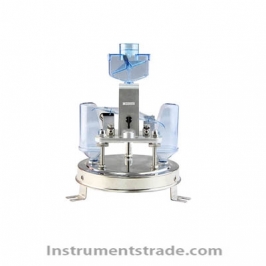
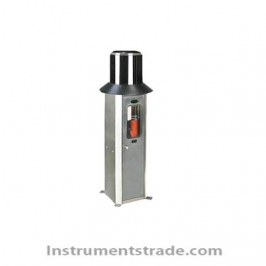
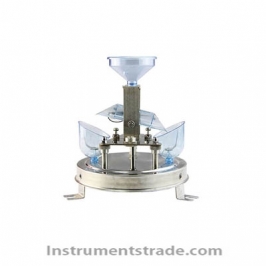
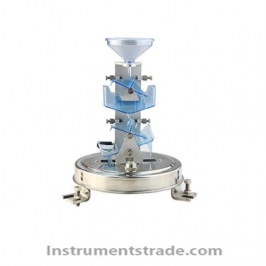
    The JD-05B Tipping Bucket Rain Gauge is a simple primary rainfall measurement instrument designed to measure precipitation and rainfall intensity. Its performance complies with the requirements of GB/T 11832-2002, Tipping Bucket Rain Gauge.
    The rain gauge can be connected to JBD-1 and JBD-2 rain alarms, telemetry terminals and other monitoring equipment, making it suitable for hydrological and rainfall telemetry, rainstorm monitoring, flash flood warning and debris-flow warning systems.
    The tipping bucket inclination is factory-adjusted and locked at the optimum position. During installation, users only need to install the tipping bucket and level the base according to the instructions. The factory-set tipping angle adjustment screw should not be readjusted in the field.


    Performance Features
    •  GB/T 11832-2002 compliant: Designed according to the requirements for tipping bucket rain gauges.
    •  Simple structure: Easy to install and operate for routine rainfall monitoring.
    •  Factory-calibrated tipping angle: The tipping bucket is adjusted and locked at the optimum inclination before delivery.
    •  Dual resolution options: Available with 0.5 mm or 1 mm resolution.
    •  Wide rainfall intensity range: Measures rainfall intensity from 0.01 to 4 mm/min, with a maximum allowable rainfall intensity of 8 mm/min.
    •  Reliable measurement: Measurement accuracy is ≤±3%.
    • Dual signal outputs: Provides two independent reed-switch on/off signal outputs.
    •  System compatibility: Can be connected to rain alarms, telemetry terminals and other rainfall monitoring equipment.
    •  Suitable for harsh outdoor conditions: Operating temperature range of −10 to 50°C and relative humidity below 95% at 40°C.
    •  Compact design: Cylindrical structure with a diameter of 216 mm and height of 350 mm.


    Working Principle
    The JD-05B uses the tipping bucket principle to measure accumulated precipitation.
    Rainwater enters the rain collector through the receiving orifice and flows into the calibrated tipping bucket. When the collected water reaches a preset volume, the bucket tips to discharge the water and returns to its original position. Each tipping action corresponds to a specific amount of rainfall.
    The tipping signal is detected by reed switches, which generate two on/off signal outputs. These signals can be transmitted to a rain alarm, telemetry terminal or other data acquisition equipment for rainfall accumulation and monitoring.


    Technical Parameters
    Parameter Specification
    Product Type Simple Tipping Bucket Rain Gauge
    Standard GB/T 11832-2002
    Rain Receiving Orifice Φ200 × 0.60 mm*
    Cutting Edge Angle 40°–45°
    Resolution 0.5 mm / 1 mm
    Rainfall Intensity Range 0.01–4 mm/min
    Maximum Allowable Rainfall Intensity 8 mm/min
    Measurement Accuracy ≤±3%
    Signal Output Two reed-switch on/off signal outputs
    Operating Temperature −10–50°C
    Relative Humidity <95% RH at 40°C
    Dimensions Φ216 × 350 mm
    *The supplied source lists the receiving-orifice specification as “Φ20000.60mm,” which appears to be a formatting error. It is presented here as Φ200 × 0.60 mm and should be confirmed against the product datasheet before publication.


    Application Scenarios
    The JD-05B Tipping Bucket Rain Gauge is suitable for:
    •  Hydrological monitoring: Rainfall and precipitation data acquisition.
    •  Rainfall telemetry: Integration with telemetry terminals for remote monitoring.
    •  Rainstorm monitoring: Continuous monitoring of precipitation during heavy rainfall.
    •  Flash flood warning: Rainfall data acquisition for early-warning systems.
    •  Debris-flow warning: Rainfall monitoring in areas susceptible to debris flows.
    •  Meteorological and environmental monitoring: Basic outdoor precipitation measurement.
    • Water resource management: Rainfall data collection for hydrological applications.


    JD-05B vs. Conventional Manual Rain Gauges
    Feature JD-05B Tipping Bucket Rain Gauge Conventional Manual Rain Gauge
    Measurement Method Automatic tipping bucket Manual collection and reading
    Remote Signal Output Two reed-switch outputs Usually unavailable
    Resolution 0.5 / 1 mm Model dependent
    Rainfall Intensity Measurement 0.01–4 mm/min Usually requires manual calculation
    Maximum Allowable Rainfall Intensity 8 mm/min Model dependent
    Measurement Accuracy ≤±3% Model dependent
    Telemetry Integration Supported Generally limited
    Rain Alarm Integration Supported Generally unavailable
    Installation Factory-set tipping angle Model dependent
    Outdoor Monitoring Supported Basic
    Warning System Applications Rainstorm, flash flood, debris flow Limited


    FAQ
    1.  What is the JD-05B Tipping Bucket Rain Gauge used for?
    It is used for measuring precipitation and rainfall intensity and can provide signals to rainfall monitoring, telemetry and warning systems.
    2. Which standard does the JD-05B comply with?
    The instrument is designed according to GB/T 11832-2002, Tipping Bucket Rain Gauge.
    3. What is the resolution of the JD-05B?
    The available resolution is 0.5 mm or 1 mm.
    4. What rainfall intensity can the JD-05B measure?
    Its specified rainfall intensity range is 0.01–4 mm/min, with a maximum allowable rainfall intensity of 8 mm/min.
    5. What is the measurement accuracy?
    The specified measurement accuracy is ≤±3%.
    6. How does the JD-05B output rainfall signals?
    It provides two reed-switch on/off signal outputs, which can be connected to compatible rain alarms, telemetry terminals and other equipment.
    7. Can the JD-05B be used for flash flood warning?
    Yes. It can be integrated into rainfall monitoring systems used for rainstorm, flash flood and debris-flow warning.
    8. Does the tipping bucket need to be adjusted after installation?
    No. The tipping bucket inclination is adjusted and locked at the optimum position before delivery. During installation, the user only needs to install the bucket and level the base. The tipping-angle adjustment screw should not be readjusted in the field.
    9. What are the operating environmental conditions?
    The operating temperature is −10–50°C, with relative humidity below 95% RH at 40°C.

     
  • FAQ
    1.  What is the JD-05B Tipping Bucket Rain Gauge used for?
    It is used for measuring precipitation and rainfall intensity and can provide signals to rainfall monitoring, telemetry and warning systems.
    2. Which standard does the JD-05B comply with?
    The instrument is designed according to GB/T 11832-2002, Tipping Bucket Rain Gauge.
    3. What is the resolution of the JD-05B?
    The available resolution is 0.5 mm or 1 mm.
    4. What rainfall intensity can the JD-05B measure?
    Its specified rainfall intensity range is 0.01–4 mm/min, with a maximum allowable rainfall intensity of 8 mm/min.
    5. What is the measurement accuracy?
    The specified measurement accuracy is ≤±3%.
    6. How does the JD-05B output rainfall signals?
    It provides two reed-switch on/off signal outputs, which can be connected to compatible rain alarms, telemetry terminals and other equipment.
    7. Can the JD-05B be used for flash flood warning?
    Yes. It can be integrated into rainfall monitoring systems used for rainstorm, flash flood and debris-flow warning.
    8. Does the tipping bucket need to be adjusted after installation?
    No. The tipping bucket inclination is adjusted and locked at the optimum position before delivery. During installation, the user only needs to install the bucket and level the base. The tipping-angle adjustment screw should not be readjusted in the field.
    9. What are the operating environmental conditions?
    The operating temperature is −10–50°C, with relative humidity below 95% RH at 40°C.

     
Products
Analytical instruments
Physical property test
Environmental monitoring and analysis
Lab general equipment
About us
About this website
Our service
Product purchase
Contact Us

Newsletter

Make Sure you dont miss interesting happenings by joining our newsletter program.

Contact Us
+86-18620722006
instruments@instrumentstrade.com