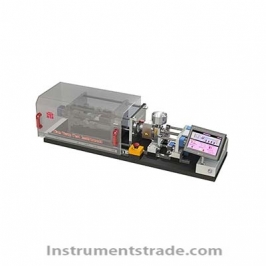
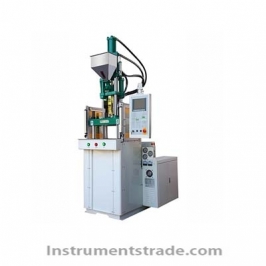
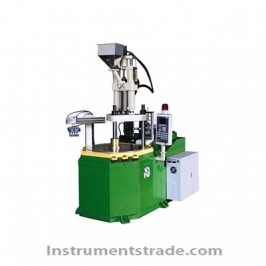
HP-YY Laboratory Rolling Machine Introduction: The laboratory rolling machine consists of a rolling machine and a traction coiling machine. The number of rolling rolls can be divided into two rolls, three rolls, four rolls, and five rolls. The arrangement of rolling rolls can be divided into I-shaped, L-shaped, and S-shaped. The rolling rolls use oil heating method, which has fast heating speed and high temperature control accuracy. The temperature control oil circuit of the rolling rolls can be quickly changed between different connection methods such as series, parallel, and mixed connection. The gap between the rolling rolls can be directly adjusted by driving the gap indicator. The independent servo drive of each rolling roll can achieve stepless adjustment of the speed difference between adjacent rolls, and can measure the rolling torque of any rolling roll according to needs. It can also be equipped with a vision system to realize expanded functions such as raw material dispersion detection and gel spot, fish eye, black spot and other film quality defect detection. Technical parameters: Rolling roll diameter: 140mm Rolling roller length: 300mm Number of rolling rolls: 3 or 4 Adjustment range of rolling roller gap: 0.2~2mm Thickness range of rolled film: 0.05~0.3mm Model temperature machine power/unit: 9kW Number of mold temperature machines: 1-5 Temperature control accuracy of mold temperature machine: 0.1 ℃ Maximum temperature of rolling roller: 230 ℃ Rolling film cooling method: air cooling
Introduction: The laboratory rolling machine consists of a rolling machine and a traction coiling machine. The number of rolling rolls can be divided into two rolls, three rolls, four rolls, and five rolls. The arrangement of rolling rolls can be divided into I-shaped, L-shaped, and S-shaped. The rolling rolls use oil heating method, which has fast heating speed and high temperature control accuracy. The temperature control oil circuit of the rolling rolls can be quickly changed between different connection methods such as series, parallel, and mixed connection. The gap between the rolling rolls can be directly adjusted by driving the gap indicator. The independent servo drive of each rolling roll can achieve stepless adjustment of the speed difference between adjacent rolls, and can measure the rolling torque of any rolling roll according to needs. It can also be equipped with a vision system to realize expanded functions such as raw material dispersion detection and gel spot, fish eye, black spot and other film quality defect detection.