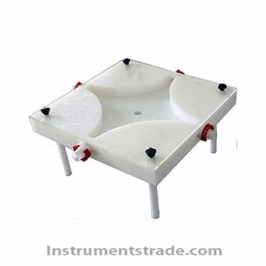
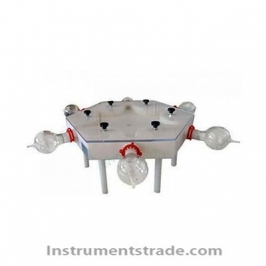
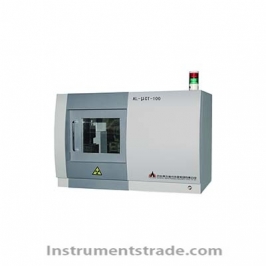
EM-XM Animal Energy Metabolism Monitoring System Introduction: It is primarily used for real-time monitoring and recording of metabolic and movement-related indicators in small animals, as well as qualitative and quantitative measurement and analysis of animal behavior and its correlation with respiratory metabolism. It is widely applied in research on nutrition, obesity, diabetes, cardiovascular diseases, and other metabolic-related diseases. Selectable parameters include energy consumption, food and water intake, feeding and drinking patterns, spatial location, total activity level and wheel running frequency, body weight, heart rate, body temperature, and automated behavior analysis. All data can be synchronized and stored in a computer. Features: 1. Brand-new appearance design, convenient for daily experiment management and observation. 2. Drawing on the design of the Home cage, experimental animals can be housed and monitored for extended periods without the need to acclimate to a new environment. 3. Multi-channel measurement (with the number of channels selectable as needed) is adopted, and each experimental chamber is equipped with an independent controller. 4. Utilize high gas flow rate design to prevent the accumulation of harmful gases such as carbon dioxide and ammonia within the cage, which could adversely affect animal physiology and cognition. 5. Equipped with a built-in gas drying device to prevent water vapor from affecting data accuracy and damaging gas analysis components. 6. Monitor and record raw data in real-time without omission, preserving all possibilities for subsequent research. Measurement parameters: Oxygen consumption CO2 production RER: Respiratory Exchange Ratio EE food intake water inflow XYZ 3D motion weight Running event
EM-XM Animal Energy Metabolism Monitoring System Introduction: It is primarily used for real-time monitoring and recording of metabolic and movement-related indicators in small animals, as well as qualitative and quantitative measurement and analysis of animal behavior and its correlation with respiratory metabolism. It is widely applied in research on nutrition, obesity, diabetes, cardiovascular diseases, and other metabolic-related diseases. Selectable parameters include energy consumption, food and water intake, feeding and drinking patterns, spatial location, total activity level and wheel running frequency, body weight, heart rate, body temperature, and automated behavior analysis. All data can be synchronized and stored in a computer.